15 Books Like Little Fires Everywhere
Loved Little Fires Everywhere? These 15 novels share Celeste Ng's combination of class dynamics, motherhood, secrets in suburban communities, and literary fiction that burns underneath the surface.

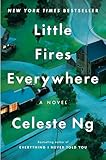
Celeste Ng’s Little Fires Everywhere (2017) tells the story of two families in Shaker Heights, Ohio — the rule-governed Richardsons and the nomadic artist Mia Warren and her daughter Pearl — whose collision over a custody battle exposes the foundations of everything both families believe about themselves. What makes the novel exceptional among its genre is Ng’s refusal of simple sympathy: both Elena Richardson and Mia Warren are right about some things and wrong about others, and the fire that burns everything at the end has a logic that the novel earns rather than imposes.
The books below share some or all of what makes Little Fires Everywhere work: literary quality combined with genuine propulsion, families whose surface lives conceal irreconcilable realities, and questions about class, race, and motherhood that don’t resolve into easy answers.
Quick answer: For more Celeste Ng, start with Everything I Never Told You. For similar domestic tension, Big Little Lies. For the most demanding examination of motherhood, We Need to Talk About Kevin.
More Celeste Ng
Everything I Never Told You by Celeste Ng
The most obvious next read after Little Fires Everywhere — Ng’s debut novel, set in a Chinese-American family in 1970s Ohio whose middle daughter Lydia is found dead in a lake. The novel moves backwards from the death to its causes, revealing the gap between what family members show each other and what they conceal. The same combination of literary restraint and emotional punch, with the same refusal to offer simple explanations for complex failures. If you loved Little Fires Everywhere, this is the first place to go.
Domestic Suspense and Class
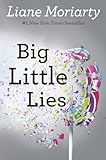
Big Little Lies by Liane Moriarty
Three women — Madeline, Celeste, and Jane — in a wealthy coastal community in Australia, leading up to a school fundraiser at which someone dies. Moriarty’s novel shares Little Fires Everywhere’s combination of readable surface and serious concerns: domestic violence, friendship under class pressure, and the way privilege functions as both protection and trap. More conventionally structured than Ng’s novel but no less satisfying.
Where the Crawdads Sing by Delia Owens
Kya Clark, the Marsh Girl, raised herself in the coastal Carolina marshes after her family abandoned her. When a local man is found dead, she is the primary suspect. Owens’s novel is literary fiction as page-turner — its combination of coming-of-age story, ecological memoir, and legal thriller is unusual and effective. Like Little Fires Everywhere, it is interested in what society owes the people it excludes.
We Need to Talk About Kevin by Lionel Shriver
Eva Khatchadourian, writing letters to her absent husband, reconstructs what happened before her son Kevin committed a school massacre. The novel is the most demanding examination of motherhood available in contemporary fiction: it refuses to determine whether Kevin was born evil or made so, and it implicates Eva in both possibilities simultaneously. For readers who want Little Fires Everywhere’s refusal of easy answers taken to its logical extreme.
Family Secrets and the Weight of History
The Corrections by Jonathan Franzen
The Lambert family — three adult children, a failing patriarch, a mother trying to hold everything together — navigating the collapse of the family structure that defined them. Franzen’s novel is the most sustained literary examination of American middle-class family life in contemporary fiction. Denser and more demanding than Little Fires Everywhere but comparable in its refusal to simplify its characters.
The Secret History by Donna Tartt
A small group of Greek students at an elite Vermont college conceal a murder and its consequences. Tartt’s debut novel is technically a thriller, but what it is actually about is the way enclosed communities generate their own moral logic — how institutions that believe themselves exceptional exempt themselves from ordinary accountability. The class dynamics are as important as the crime.
The Goldfinch by Donna Tartt
Theo Decker survives a terrorist attack at an art museum that kills his mother and walks away with a painting that subsequently shapes his entire life. Tartt’s Pulitzer-winning novel shares Little Fires Everywhere’s scope — thirteen years of a life — and its interest in the things people carry from childhood that they cannot put down. Longer and more picaresque than Ng’s novel but comparable in emotional register.
A Visit from the Goon Squad by Jennifer Egan
Thirteen interconnected stories across the music industry and the lives of people orbiting it, told from multiple perspectives and in radically different forms (one chapter is a PowerPoint presentation). Egan’s Pulitzer winner is less about family than about the passage of time and what people become, which is the underlying concern of Little Fires Everywhere as well.
Multigenerational and Cross-Cultural Family Stories
Pachinko by Min Jin Lee
A Korean family across four generations of life in Japan. Lee’s novel shares Little Fires Everywhere’s interest in how race and class intersect to determine what is possible for a family, and her scope — across nearly a century — gives the generational stakes a weight that Ng’s narrower timeframe cannot. Among the finest novels of the past decade.
Normal People by Sally Rooney
Connell and Marianne, and the relationship between them that cannot resolve itself across secondary school and university in Ireland. Rooney’s novel is less about family secrets than about class and how it operates beneath the surface of contemporary meritocracy — the same invisible architecture that governs Little Fires Everywhere’s Shaker Heights. For readers who responded to Ng’s social precision more than her family drama.
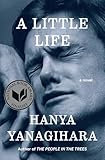
A Little Life by Hanya Yanagihara
Four friends across forty years in New York. Yanagihara’s novel is the most emotionally demanding on this list — it is sustained in its exploration of what childhood leaves in people and how it shapes their adult relationships and capabilities. For readers who want Little Fires Everywhere’s concern with what adults carry from their pasts taken to its fullest, most difficult extent.
What to Read After This List
For historical fiction with similar social concerns, our books like The Women guide covers novels about women navigating societies that have not made provision for them. For more domestic suspense, our best cozy mystery books guide covers the gentler end of the genre.
For the Best Fiction Books
For the definitive guide to fiction — the greatest novels across literary fiction, classics, and contemporary writing — see our Best Fiction Books of All Time list.
More Women’s Fiction and Domestic Drama Guides
- Books Like Big Little Lies: Darkly Comic Domestic Thrillers
- Liane Moriarty Books in Order: Complete Reading Guide
- Books Like Where the Crawdads Sing: Secrets and Survival
Affiliate disclosure: Links on this site are affiliate links. We earn a small commission at no extra cost to you. This does not influence our editorial recommendations.
Frequently Asked Questions
What should I read after Little Fires Everywhere?
The most natural next reads after Little Fires Everywhere are Celeste Ng's other novel Everything I Never Told You (same emotional architecture, family secrets, suburban setting), Big Little Lies by Liane Moriarty (similar domestic tension and class dynamics), and We Need to Talk About Kevin by Lionel Shriver (the most demanding examination of motherhood as a subject). All share Ng's combination of literary quality and propulsive readability.
What other books has Celeste Ng written?
Celeste Ng has written two novels: Everything I Never Told You (2014) and Little Fires Everywhere (2017). Everything I Never Told You is about a Chinese-American family in 1970s Ohio whose middle daughter is found dead in a lake — it shares Little Fires Everywhere's interest in the gap between what families show and what they hide. A third novel has been discussed but was not published as of mid-2026.
Is Little Fires Everywhere part of a series?
No — Little Fires Everywhere is a standalone novel. The Hulu adaptation (2020) starred Reese Witherspoon and Kerry Washington, which significantly increased the novel's readership. Celeste Ng's other novel, Everything I Never Told You, is similarly standalone and set in a different time and place.
What makes Little Fires Everywhere a good book club choice?
Little Fires Everywhere generates productive book club discussion because it does not resolve its central questions about motherhood, race, class, and the right to make choices about one's own children. The Richardson family and the Warrens represent irreconcilable value systems, and the novel refuses to adjudicate between them — which means readers leave the book arguing, which is what good book club selections require.
What books are similar to Everything I Never Told You by Celeste Ng?
The closest reads to Everything I Never Told You are Little Fires Everywhere (Ng's own follow-up), The Virgin Suicides (Eugenides — another novel about the gap between a family's appearance and reality), We Need to Talk About Kevin (Shriver — the most demanding examination of what parents cannot prevent), and Where the Crawdads Sing (Owen — literary mysteries rooted in Southern settings with strong female perspectives).