25 Best Books for Women: Fiction, Memoir, and Non-Fiction
The best books for women across fiction, memoir, and non-fiction — novels about female friendship and ambition, memoirs about becoming, and non-fiction that takes women's experience seriously.
By Natalie Osei

The framing of “books for women” is awkward, and worth examining before using it. Books do not have genders. But female experience — the particular conditions under which women move through the world, the way ambition, friendship, motherhood, and identity play out differently for women than for men — is a subject that some books take seriously and others treat as a subset of the general human story. The books on this list are unified not by being “for women” in any prescriptive sense, but by being books that take female experience seriously, or that readers who are women consistently find most resonant.
The list covers fiction that centres women’s lives, memoir by women about becoming, and non-fiction that provides frameworks particularly useful for the pressures women face.
Quick answer: For fiction, start with Normal People or Little Fires Everywhere. For memoir, Educated or Becoming. For self-development, The Gifts of Imperfection.
Best Books for Women at a Glance
| Book | Author | Best for |
|---|---|---|
| The Handmaid’s Tale | Margaret Atwood | Readers of literary dystopia, feminist fiction |
| Normal People | Sally Rooney | Literary fiction readers interested |
| Little Fires Everywhere | Celeste Ng | Readers who enjoy literary fiction that examines |
| The Women | Kristin Hannah | Kristin Hannah fans, historical fiction readers |
| A Thousand Splendid Suns | Khaled Hosseini | Readers who want literary fiction that puts |
| Pachinko | Min Jin Lee | Historical fiction readers interested in Korean |
| The Midnight Library | Matt Haig | Readers who enjoy philosophically engaged fiction |
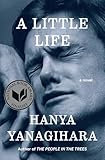
| A Little Life | Hanya Yanagihara | Literary fiction readers prepared |
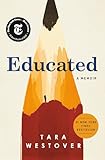
| Educated | Tara Westover | Anyone interested in memoir, education |
| Becoming | Michelle Obama | Anyone interested in American political history |
| Maybe You Should Talk to Someone | Lori Gottlieb | Anyone curious about how therapy actually works |
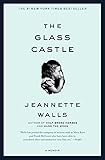
| The Glass Castle | Jeannette Walls | Readers of narrative memoir, especially those |
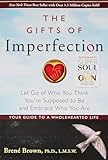
| The Gifts of Imperfection | Brené Brown | Readers who want a practical, accessible |
| Daring Greatly | Brené Brown | Readers interested in the psychology of shame |
Fiction That Centres Female Experience
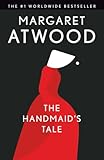
The Handmaid’s Tale by Margaret Atwood
The foundational novel of feminist fiction. Gilead — Atwood’s theocratic America in which fertile women are reduced to reproductive vessels — is not a fantasy but an extrapolation from historical precedent. Atwood has said that nothing in the novel was invented: every element had real-world source material. Its renewed cultural relevance since the mid-2010s reflects a discomfort with how achievable its horrors feel. For any reader wanting a serious engagement with what bodily autonomy means, and what political systems do to women’s bodies, this is the essential starting point.
Normal People by Sally Rooney
Connell and Marianne, from school in Sligo through their years at Trinity College Dublin, and the relationship between them that cannot resolve itself. Rooney’s novel is precise about the specific texture of romantic longing and the class dynamics that distort relationships — it is as much about power as it is about love. The female experience of being misread, underestimated, and then surprisingly seen is rendered with particular accuracy.
Little Fires Everywhere by Celeste Ng
Two families in Shaker Heights, Ohio: the Richardsons, products of a deliberate and rule-governed life, and the Warrens, nomadic artist and daughter who rent a house from them. Ng’s novel is about how the choices women make about their children, their ambitions, and the lives they refuse are judged against each other. The central question — what makes a good mother? — is asked without sentimentality. One of the most readable literary novels of the past decade.
The Women by Kristin Hannah
Frances McGrath, Army nurse in Vietnam, returns to an America with no framework for what she experienced. Hannah’s most recent novel is about service, erasure, and the particular invisibility of women in wars that are not, officially, their wars. For readers who want wartime courage combined with the specific experience of being overlooked.
A Thousand Splendid Suns by Khaled Hosseini
Two Afghan women — Mariam and Laila — connected by the same man across thirty years of war. The novel contains the most moving account of female friendship in recent popular fiction, and its exploration of how women survive impossible circumstances is both devastating and, finally, deeply hopeful. The ending is one of the most earned in commercial literary fiction.
Pachinko by Min Jin Lee
A Korean family across four generations of life in Japan. The women at the centre of Lee’s multigenerational saga — Sunja especially — carry the weight of a family’s history in a society designed to exclude them. Lee’s account of female endurance is free of sentimentality: these are not saintly sufferers but people making real choices under impossible pressure.
The Midnight Library by Matt Haig
Nora Seed finds herself in a library between life and death where every book is a life she might have lived. Haig’s novel is a philosophical argument about regret and what makes a life worth living — the post-breakup, post-burnout question of whether the life you have is the one you actually want. The audiobook, narrated by Carey Mulligan, is exceptional.
A Little Life by Hanya Yanagihara
Four friends across forty years in New York. Yanagihara’s novel is the most emotionally demanding on this list — deliberately so. Its account of what people carry from childhood, and how they survive or fail to survive, is among the most honest in contemporary fiction. For readers willing to engage with genuine difficulty in return for something that cannot be forgotten.
Memoir: Accounts of Becoming
Educated by Tara Westover
Westover grew up in a survivalist family in rural Idaho with no birth certificate, no school attendance, and parents resistant to the government and medicine. Her self-education — which eventually led her to Cambridge and a PhD — is the most extraordinary account of intellectual becoming in recent memoir. The book’s power lies in its refusal of simple victim narratives: Westover loves her family and understands them without excusing them.
Becoming by Michelle Obama
Obama’s memoir is structured around the question she returns to throughout — what does it mean to become the person you are, when the person you are keeps changing? Her account of navigating ambition, identity, race, and the expectations of others across multiple reinventions gives the book a usefulness that extends beyond its specific events. The most honest public memoir by a political figure in recent memory.
Maybe You Should Talk to Someone by Lori Gottlieb
Gottlieb, a therapist, goes through a breakup and enters therapy herself. The memoir alternates between her sessions as a patient and her sessions with four clients, and it is one of the most readable and least prescriptive accounts of what therapy actually involves and what it cannot fix. For readers circling the question of whether to seek professional support.
The Glass Castle by Jeannette Walls
Walls’s account of her itinerant childhood with charismatic, irresponsible parents is one of the most useful books available on loving someone who cannot be who you need them to be. The adult Walls who narrates the memoir has found a way to hold her parents’ genuine gifts and genuine failures simultaneously — a form of emotional intelligence that is directly applicable to anyone navigating complicated family loyalties.
Non-Fiction That Takes Female Experience Seriously
The Gifts of Imperfection by Brené Brown
Brown’s guide to wholehearted living — letting go of who you think you should be and embracing who you are — is particularly useful for the self-doubt that disproportionately affects women in a culture that has historically judged female ambition, appearance, and achievement simultaneously and contradictorily. Less demanding than Daring Greatly and a gentler entry point to Brown’s research on shame and worthiness.
Daring Greatly by Brené Brown
Brown’s central argument — that vulnerability is not weakness but the precondition for genuine connection, creativity, and courage — has particular resonance for women navigating professional environments where the display of uncertainty carries different consequences than it does for men. More demanding than The Gifts of Imperfection and the fuller statement of her argument.
What to Read Next
For historical fiction with female perspectives, our books like The Women guide covers the full genre. For books about rebuilding after loss or transition, our books to read after a breakup guide includes many of the above titles with specific context.
For the Best Biographies and Memoirs
For the definitive guide to biography and memoir across history, politics, and science, see our Best Biographies Ever Written list.
More Essential Reading Lists
Also Recommended
Affiliate disclosure: Links on this site are affiliate links. We earn a small commission at no extra cost to you. This does not influence our editorial recommendations.
Frequently Asked Questions
What is the best book to read as a woman?
Educated by Tara Westover and Becoming by Michelle Obama are consistently the most recommended memoirs — both are accounts of women who became, against difficult odds, themselves. For fiction, Normal People or The Handmaid's Tale. For self-development, The Gifts of Imperfection by Brené Brown remains the most useful book about worthiness and self-acceptance.
What novels are most loved by women readers?
Consistently popular: The Midnight Library (Haig), Normal People (Rooney), Little Fires Everywhere (Ng), The Women (Hannah), Pachinko (Lee), and A Thousand Splendid Suns (Hosseini). These are novels that take female experience seriously without reducing it to domestic drama.
What is the most empowering book for women?
Educated by Tara Westover is the most straightforwardly empowering — the account of a woman who educated herself out of circumstances that had no provision for her. For a more philosophical empowerment, Daring Greatly by Brené Brown or Four Thousand Weeks by Oliver Burkeman on choosing what actually matters.
Are there good books about female friendship?
A Thousand Splendid Suns contains the most moving account of female friendship in recent popular fiction. Elena Ferrante's Neapolitan novels (My Brilliant Friend and its sequels) are the sustained masterwork on female friendship across a lifetime. Little Fires Everywhere by Celeste Ng explores female friendship alongside motherhood and class.
What books for women are also good for general audiences?
Almost all the books on this list. Educated, Becoming, Normal People, Pachinko, A Thousand Splendid Suns, and The Midnight Library all have large readerships regardless of gender. These are simply good books that happen to centre female experience or speak directly to it.