20 Books to Read After a Breakup
Books to read after a breakup: novels that make loneliness feel less alone, memoirs about rebuilding, and philosophy about what grief and loss can teach you about what actually matters.
By Lena Fischer

There are two things a book can do after a breakup, and they are different enough to be worth distinguishing. The first is to provide company — the relief of being inside a consciousness that is also navigating loneliness, grief, or the particular disorientation of a self that no longer knows quite what it is without the person it defined itself against. The second is to provide perspective — the kind of reframing that only becomes possible once the acute phase has passed and you need to understand what happened and what comes next.
The best books are capable of both, at different times, for different readers. The list below is organised by what each book offers most directly.
Quick answer: For company in the immediate aftermath: Normal People or The Midnight Library. For perspective and rebuilding: Man’s Search for Meaning or Four Thousand Weeks. For memoir that models recovery: Maybe You Should Talk to Someone or Educated.
Fiction That Makes Loneliness Feel Less Singular
The Midnight Library by Matt Haig
Nora Seed finds herself in a library between life and death where every book represents a life she might have lived — every relationship she might have chosen, every path she left untaken. Haig’s novel is essentially a philosophical argument about regret, and its treatment of the post-breakup question (“what if I had made different choices?”) is more intelligent than the genre of feel-good fiction usually manages. The ending is unambiguously hopeful and earns that hope by engaging seriously with the question of what makes a life worth living. The audiobook, narrated by Carey Mulligan, is exceptional.
Normal People by Sally Rooney
Connell and Marianne, from school in Sligo through their years at Trinity College Dublin, and the relationship between them that cannot resolve itself. Rooney is precise about the specific texture of romantic longing — the thing that exists between two people that neither quite has the language for, that keeps pulling them back together even when being together makes them worse. Normal People does not comfort the reader but it understands them, which is often more useful. For readers who need to feel less alone in the particular mess of it.
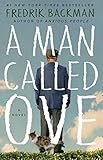
A Man Called Ove by Fredrik Backman
Ove is a Swedish pensioner who has lost his wife and his reason to continue. His attempts to die are interrupted by the arrival of a chaotic young family next door. Backman’s novel is about grief as much as it is about community, and its account of what it means to have organised a life around another person — and to face the reconstruction required when that person is gone — is both funny and devastating. Not specifically about romantic loss but about the aftermath of any relationship that was the structural centre of a person’s existence.
A Thousand Splendid Suns by Khaled Hosseini
Two Afghan women across thirty years of war, connected by circumstances neither chose. Hosseini’s novel contains the most moving account of female friendship in recent popular fiction, and its exploration of how people survive loss — of partners, of children, of possibilities — is directly relevant to the post-breakup experience of reassessing what you have left. The ending is one of the most earned in commercial literary fiction.
Memoir That Models Rebuilding
Maybe You Should Talk to Someone by Lori Gottlieb
Gottlieb, a therapist, goes through a breakup and enters therapy herself. The memoir alternates between her sessions as a patient and her sessions with four clients, exploring what brings people to therapy and what they find there. Particularly useful for readers who have been circling the question of whether to seek professional help — Gottlieb’s account is honest about what therapy actually involves and what it cannot fix. One of the most readable and least prescriptive books about psychological help-seeking.
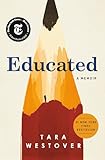
Educated by Tara Westover
Westover’s memoir about her childhood in a survivalist family and her eventual self-education is not specifically about relationships, but it is one of the most powerful accounts of the reconstruction of identity after you have lost the self that was defined by another person’s terms. The experience of leaving the framework you were raised in — whether that is a family, a community, or a partnership — requires the same kind of work Westover describes. One of the best memoirs of the past decade.
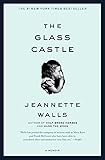
The Glass Castle by Jeannette Walls
Walls’s memoir of her itinerant childhood with charismatic, irresponsible parents — her love for them and her clear-eyed understanding of the damage they caused — is one of the most useful books available on the experience of loving someone who cannot be the person you need them to be. The adult Walls who narrates the memoir has found a way to hold her parents’ genuine gifts and their genuine failures simultaneously, which is a form of emotional intelligence that is directly applicable to the end of a romantic relationship.
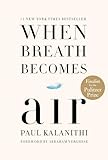
When Breath Becomes Air by Paul Kalanithi
A neurosurgeon diagnosed with lung cancer in his mid-thirties writes about what constitutes a meaningful life when death becomes a practical rather than theoretical reality. This is not a book about breakups but it is among the most useful books for anyone in the process of reassessing what they value and what they want their remaining time to do. Kalanithi’s clarity about what matters — and what, in retrospect, he wasted time on — is applicable to most forms of loss.
Philosophy That Reframes Loss
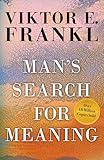
Man’s Search for Meaning by Viktor Frankl
Frankl’s account of his survival in Auschwitz and Dachau contains the most useful thing written about the experience of loss in extremis: that suffering does not have to have a meaning given to it from outside, but that a person can choose their response to suffering. The logotherapy framework — that the primary human need is not pleasure or power but meaning — is immediately relevant to the post-breakup question of what to do now. Short, precise, and immune to the accusation of self-help optimism.
Four Thousand Weeks by Oliver Burkeman
Burkeman’s argument is that accepting the radical finitude of time — the impossibility of doing everything, being everything, being with everyone — is the precondition for genuine commitment. The post-breakup period is precisely the moment when this argument is most applicable: the time that has been freed up is not a resource to be optimised but a space in which to choose, with the seriousness that the shortness of life requires. Our books like Four Thousand Weeks guide covers similar territory.
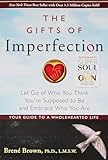
The Gifts of Imperfection by Brené Brown
Brown’s guide to wholehearted living — letting go of who you think you should be and embracing who you are — is particularly useful in the immediate post-breakup period when self-doubt tends to run at its highest. Less demanding than Daring Greatly and more practically oriented, it is a gentler entry point to Brown’s research on shame, worthiness, and connection.
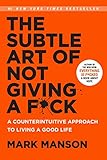
The Subtle Art of Not Giving a F*ck by Mark Manson
Manson’s anti-self-help self-help book argues that the improvement culture’s relentless positivity is itself a form of suffering — that acknowledging pain, failure, and loss as real rather than as problems to be optimised away is the beginning of genuine change. Useful for readers who find conventional self-help approaches patronising. The breakup chapter, in particular, is more honest than most of the genre manages. Our books like The Subtle Art guide covers similar reads.
For the Best Fiction Books
For the definitive guide to fiction — the greatest novels across literary fiction, classics, and contemporary writing — see our Best Fiction Books of All Time list.
Affiliate disclosure: Links on this site are affiliate links. We earn a small commission at no extra cost to you. This does not influence our editorial recommendations.
Frequently Asked Questions
What books help after a breakup?
The books that help most after a breakup tend to fall into three categories: fiction that makes loneliness feel understood (Normal People, The Midnight Library), memoir that models rebuilding (Educated, Maybe You Should Talk to Someone), and philosophy that reframes loss productively (Man's Search for Meaning, Four Thousand Weeks). The right book depends on what you need: company, perspective, or reassurance.
Should I read fiction or non-fiction after a breakup?
Both work differently. Fiction offers company without prescription — being inside a character's loneliness makes your own feel less singular. Non-fiction, particularly memoir and self-help, offers frameworks and models. Most readers find fiction more immediately comforting; self-help more useful as the acute phase passes and you want to understand what happened and what comes next.
Is it good to read after a breakup?
Reading after a breakup is one of the most productive things you can do with the time that suddenly appears. Books that engage with loss, loneliness, and change are particularly useful because they provide the experience of being understood without requiring anything from another person — which is often what is needed in the immediate aftermath.
What novel best captures what a breakup feels like?
Normal People by Sally Rooney captures the specific texture of romantic entanglement that cannot resolve itself — the inability to be together and the inability to be fully apart. The Midnight Library captures the specific post-breakup feeling of wondering who you might have been with different choices. Both are more useful than books that simply narrate sadness.
Are there books about breakups specifically?
Most books about breakups are self-help titles focused on recovery strategies. The books on this list take a different approach: they are good books that engage honestly with loss, loneliness, and rebuilding — not because they are 'about breakups' but because they illuminate the territory. Books written specifically about breakup recovery tend to be less useful than books that are simply honest about difficulty.