Books About Spain: Essential Reading for Every Visitor
The best books set in Spain — from Hemingway's Pamplona to Barcelona's Gothic Quarter, from the Spanish Civil War to Cervantes' La Mancha. Fiction and memoir for travellers and Hispanophiles.
By Natalie Osei
Spain is among Europe’s most visited countries, and its literature repays every visit. The books on this list cover Spain’s three great modern preoccupations — the legacy of the Civil War, the specific cultures of its major cities, and the deep literary tradition that runs from Cervantes through the Generation of ‘98 to the present — through works that are both extraordinarily readable and genuinely illuminating.
Spain is not one culture any more than Italy is. Barcelona and Madrid are different countries in almost every way that matters culturally. Hemingway’s Pamplona and Zafón’s Barcelona inhabit different emotional universes. Don Quixote’s La Mancha and the Basque Country of Hemingway’s expatriates are the same peninsula and different worlds. This list spans those worlds.
Barcelona
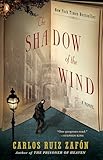
1. The Shadow of the Wind — Carlos Ruiz Zafón ⭐⭐⭐⭐⭐
The best Barcelona novel in any language: a young bookseller’s son finds a novel by an author no one has heard of and begins to investigate who wrote it — discovering a mystery rooted in the Spanish Civil War and its aftermath that draws him into the city’s darkest corners. Zafón’s Gothic Quarter is a living world of secrets and shadows, rendered with the atmosphere of a masterwork Gothic novel. The book has sold twenty million copies worldwide and done more than any other single work to establish Barcelona’s literary identity in the international imagination.
Best for: Barcelona and the Gothic Quarter; the legacy of the Civil War in Catalan culture; readers who want atmospheric literary thriller.
➡ Full review → | Buy on Amazon →
The Spanish Civil War
2. For Whom the Bell Tolls — Ernest Hemingway ⭐⭐⭐⭐⭐
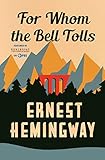
Hemingway’s great Spanish novel: an American demolitions expert attached to a Republican guerrilla band in the Guadarrama mountains of Castile, ordered to blow up a bridge to coincide with a Loyalist offensive. The three days of the novel are among the most sustained in his work — the landscape of central Spain, the specific tensions of the guerrilla camp, the love story conducted against the countdown to possible death — and the portrait of Spain at war is drawn from his own experience as a war correspondent.
Best for: Central Spain and Castile; the Spanish Civil War; readers interested in the conflict between ideology and personal loyalty.
➡ Full review → | Buy on Amazon →
3. Homage to Catalonia — George Orwell ⭐⭐⭐⭐⭐
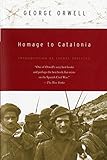
Orwell went to Spain in 1936 to fight fascism and joined the POUM militia on the Aragon front. He was shot through the throat by a Nationalist sniper and nearly died; he then watched with horror as the Republican side tore itself apart in factional fighting in Barcelona in 1937. The book he wrote about it is one of the most honest accounts of war and political disillusionment ever published — and the portrait of Barcelona in the revolutionary period of 1936 is extraordinary: a city where the working class had, briefly, taken actual power.
Best for: Barcelona; Catalonia; the Spanish Civil War; anyone interested in Orwell’s political development.
➡ Full review → | Buy on Amazon →
Hemingway’s Spain
4. The Sun Also Rises — Ernest Hemingway ⭐⭐⭐⭐⭐
The first of Hemingway’s great novels: a group of expatriate Americans and a British woman travel from Paris to Pamplona for the Fiesta of San Fermín and the running of the bulls. The Pamplona sections — the fiesta, the bullfights, the bars, the chaos and the morning-after clarity — are Hemingway’s most perfectly realised work. He visited Pamplona seven times before writing this novel, and the authority shows: no other account of the fiesta or the corrida has approached his.
Best for: Pamplona and the Fiesta de San Fermín; the Basque Country; Hemingway’s Spain; anyone who wants to understand the corrida.
➡ Full review → | Buy on Amazon →
The Spanish Literary Tradition
5. Don Quixote — Miguel de Cervantes ⭐⭐⭐⭐⭐
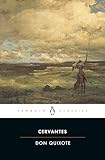
The first modern novel, published in 1605 — the story of a gentleman who has read too many chivalric romances and sets out into the dusty landscape of La Mancha as a knight-errant, with his practical squire Sancho Panza as a constant counterpoint. The windmills of La Mancha, the country inns, the landscapes of Castile — all are rendered with the precision of someone writing the landscape he knew. Cervantes invented the modern novel here, and the book’s influence on every subsequent fiction is incalculable.
Best for: La Mancha and Central Spain; the history of the novel; readers who want the foundational work of Spanish literature.
➡ Full review → | Buy on Amazon →
Medieval Barcelona
6. The Cathedral of the Sea — Ildefonso Falcones ⭐⭐⭐⭐⭐
The best-selling Spanish historical novel of the 21st century: a serf’s son arrives in 14th-century Barcelona and rises through the city’s guilds while the great Gothic church of Santa Maria del Mar is built by the common people of the Ribera neighbourhood. For anyone visiting Barcelona’s El Born district — where the church still stands — the novel transforms the building from a beautiful landmark into a living community’s aspiration across fifty years of medieval life.
Best for: Barcelona’s El Born and Ribera neighbourhoods; medieval Catalan history; readers who want historical epic with genuine weight.
➡ Full review → | Buy on Amazon →
Books About Spain by City/Region
| Region | Best Book |
|---|---|
| Barcelona (modern) | The Shadow of the Wind — Carlos Ruiz Zafón |
| Barcelona (medieval) | The Cathedral of the Sea — Ildefonso Falcones |
| Barcelona (Civil War) | Homage to Catalonia — George Orwell |
| Pamplona / Navarra | The Sun Also Rises — Ernest Hemingway |
| Castile / Civil War | For Whom the Bell Tolls — Ernest Hemingway |
| La Mancha | Don Quixote — Miguel de Cervantes |
Also Worth Reading
The House of the Spirits by Isabel Allende — Though set in Chile, Allende’s most celebrated novel draws on her own Spanish heritage and the García Lorca-influenced tradition of magical realism that runs through Spanish-speaking literature. Essential for understanding the broader tradition.
Affiliate disclosure: Links to Amazon on this page are affiliate links. We earn a small commission at no extra cost to you.
Frequently Asked Questions
What is the best book to read before visiting Spain?
The Shadow of the Wind by Carlos Ruiz Zafón is the best Barcelona novel in any language, and it makes the city's Gothic Quarter feel like a living character. For Madrid, Homage to Catalonia by George Orwell is the essential book about the Spanish Civil War and gives Madrid and Catalonia historical depth. For Pamplona and the fiesta of San Fermín, The Sun Also Rises is irreplaceable.
What are the best books set in Barcelona?
The Shadow of the Wind by Carlos Ruiz Zafón is widely considered the definitive Barcelona novel — a mystery set in the city's literary underworld that renders the Gothic Quarter with extraordinary atmospheric precision. Carlos Ruiz Zafón's subsequent novels in the Cemetery of Forgotten Books series are equally immersive.
What books are about the Spanish Civil War?
Homage to Catalonia by George Orwell is the essential first-person account of the Civil War — Orwell fought with the POUM on the Aragon front and was shot through the throat. For Whom the Bell Tolls by Hemingway is the great fictional account. Both are essential context for understanding modern Spain.
Should I read Don Quixote before visiting Spain?
Don Quixote is not easy reading, but even partial engagement with Cervantes' epic rewards any visit to La Mancha — the windmill landscape of the central plateau. Cervantes invented the modern novel here, and the cultural references to Don Quixote are inescapable in Spanish life. A modern abridgement or the Grossman translation is the most accessible entry point.