Best Books About Nature and Wilderness: Essential Reading List
The best books about nature, wilderness, and the natural world — from Into the Wild and Into Thin Air to The Overstory and A Field Guide to Getting Lost. Nature writing that changes how you see.
By Natalie Osei
The best books about nature are not primarily about scenery. They are about what happens to human consciousness when it encounters something larger, older, and indifferent to human concerns — something that does not organise itself around human purposes. The wilderness, the ocean, the mountains: they produce a particular kind of attention, and the books that capture that attention produce it in the reader even when the reader is sitting in a city.
The list below covers three overlapping categories: adventure writing (gripping narrative about what people do in extreme natural settings), nature writing (meditative attention to the natural world), and literary fiction that takes the natural world seriously as a subject.
Adventure Writing: What Humans Do in the Wild
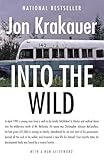
Into the Wild — Jon Krakauer (1996)
Chris McCandless graduated from Emory University in 1990, donated his savings to charity, abandoned his car in the Mojave Desert, and hitchhiked across the country before walking into the Alaskan wilderness with minimal supplies in April 1992. He was found dead in an abandoned bus four months later, aged twenty-four.
Krakauer reconstructed McCandless’s journey from his journals, letters, and the accounts of people who encountered him along the way. The book is a meditation on the American wilderness ideal — Thoreau, Muir, Jack London — and what happens when it collides with the actual indifference of the natural world. Krakauer is sympathetic but not uncritical: he identifies the romanticism and the insufficient preparation, and he also understands the impulse.
Into Thin Air — Jon Krakauer (1997)
Krakauer was a journalist covering an Everest expedition for Outside magazine in May 1996 when the mountain’s worst storm in decades killed eight climbers, including the two lead guides. Into Thin Air is his account of the disaster, written at speed in the months that followed.
The book works as adventure writing — the narrative of who was where when the storm hit, who survived and how, who didn’t and why — and as a meditation on the specific corruption of the Everest industry: the commercialisation of the summit, the guiding of paying clients who lack the skills to survive independent decisions at altitude. It remains the most gripping mountaineering book in English.
Literary Nature Writing
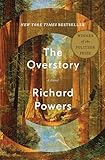
The Overstory — Richard Powers (2018)
The Pulitzer Prize-winning novel about trees and the people whose lives they shape. Nine characters, across multiple generations, are connected through their relationships with specific trees — a chestnut that survived a disease, a scientist who discovers how trees communicate, a couple who spend years sitting in a redwood to prevent logging. Powers’s formal ambition is to make the reader experience time on the timescale of trees, not humans — and largely succeeds.
The most important literary fiction about the natural world currently available. Also an introduction to real science: the novel draws on actual research about mycorrhizal networks (how trees share nutrients and communicate through underground fungal networks) that makes forests genuinely stranger and more interesting than they appear.
A Field Guide to Getting Lost — Rebecca Solnit (2005)
Solnit is the finest essayist writing about place and the natural world in English. A Field Guide to Getting Lost is not a field guide in the practical sense but a meditation on the value of disorientation — on what we gain when we don’t know where we are and what we lose by always knowing. The book weaves together memory, etymology, landscape, and the experience of loss in a way that is more philosophical than any nature writing strictly defined.
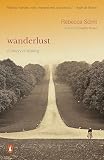
For readers who want nature writing that is also literary criticism, cultural history, and philosophy, Solnit’s books — this one and Wanderlust: A History of Walking — are essential.
Science of the Natural World
The best science books about nature are those that make the natural world stranger and more interesting:
The Hidden Life of Trees by Peter Wohlleben — The German forester’s account of how trees communicate, support each other, and share resources through underground fungal networks. Sold 1.5 million copies in Germany alone; accessible, specific, and revelatory.
The Soul of an Octopus by Sy Montgomery — A naturalist’s account of getting to know individual octopuses at the New England Aquarium. Makes the argument that consciousness is more widely distributed in the animal kingdom than we assume, through direct observation rather than theory.
The Necessity of the Wild
At the heart of the literature of wilderness lies a conviction that has grown only more urgent with time: that wild places and wild nature are not luxuries or scenic amenities but necessities of the human spirit, essential to our psychological and even our moral health, and that their preservation is bound up with the preservation of something vital in ourselves. The books on this list explore the deep human need for wilderness, the way that contact with wild nature answers something fundamental in us that the tamed and built environment cannot satisfy, and the impoverishment, subtle but real, that follows when human beings are wholly cut off from the wild. This conviction runs counter to the dominant assumptions of a civilization that has spent millennia subduing and domesticating nature, treating wilderness as an obstacle to be conquered or a resource to be exploited, but the literature of the wild insists that something essential is lost in this conquest, that human beings need the wild for their full flourishing, and that a world entirely tamed and humanized would be a diminished one. The wilderness writers articulate the many dimensions of this need: the spiritual renewal that wild places offer, the perspective and humility that come from confronting a nature larger and older than ourselves, the psychological restoration that contact with the wild provides, and the sense of connection to the deeper currents of life that civilization obscures. In making the case for the necessity of the wild, this literature challenges the assumption that progress means the ever-greater domestication of nature, and argues instead that wilderness must be preserved not only for its own sake but for ours, because the human spirit needs the wild, and a world without it would be a world in which something essential to our humanity had been lost.
Wilderness and the Renewal of the Spirit
A recurring and powerful theme in the literature of wild places is the capacity of wilderness to renew and restore the human spirit — to offer, in the encounter with wild nature, a healing, a perspective, and a spiritual replenishment that the works on this list explore with eloquence and conviction. The wilderness writers testify again and again to the restorative power of wild places, to the way that time spent in nature, away from the noise, haste, and artificiality of modern life, can heal the wearied spirit, calm the anxious mind, and restore a sense of proportion, peace, and meaning that civilization erodes. This restorative power has many sources. There is the simple relief of escaping the relentless stimulation and pressure of modern existence, the peace that comes from entering the slower rhythms and deeper silence of the natural world. There is the perspective that wilderness offers, the way that confronting the vastness, antiquity, and indifference of wild nature shrinks human anxieties to their proper size and restores a sense of proportion. There is the awe and wonder that wild beauty evokes, lifting the spirit out of its narrow preoccupations and reconnecting it to something larger and more enduring. And there is the sense of belonging to the natural world, the healing recognition that we are part of the web of life rather than separate from it, that contact with the wild can restore. The literature of wilderness bears witness to all these forms of renewal, articulating the deep and various ways that wild places restore the human spirit, and offering, to a civilization increasingly cut off from nature and increasingly afflicted by the stresses and emptiness of modern life, a reminder of the healing that wilderness provides and an invitation to seek it. This testimony to the spiritual renewal available in wild places is among the most valuable and resonant contributions of the wilderness writers.
The Ethic of Conservation
The literature of wilderness has been, from its origins, inseparable from the cause of conservation, and the books on this list articulate and advance an ethic of preservation — a moral case for protecting wild places and wild nature against the relentless pressures of exploitation and development — that has shaped the environmental conscience of the modern world. The wilderness writers have done more than celebrate wild places; they have made the argument for their protection, developing over time a powerful ethic of conservation grounded in the recognition of nature’s intrinsic value, the deep human need for wilderness, and the moral responsibility of human beings to preserve the wild for its own sake and for future generations. This conservation ethic represents a profound shift in the human relationship to nature, away from the purely instrumental view that treats the natural world as a mere resource for human use and toward a recognition that wild places and wild creatures possess a value that transcends their utility, and that human beings bear a moral obligation to protect rather than to destroy them. The literature of wilderness has been the great vehicle for this shift in moral understanding, articulating the reasons for preserving wild nature, awakening in readers a love and reverence for the wild, and inspiring the conservation movements that have fought to protect wilderness against the forces of exploitation and development. The ethic these books advance is more urgent now than ever, as the pressures on the remaining wild places intensify and the natural world faces unprecedented threats, and the wilderness writers’ case for preservation, their insistence on the value of the wild and the duty to protect it, speaks directly to the environmental crises of the present age. In articulating and advancing the ethic of conservation, the literature of wilderness performs a function of the greatest importance, shaping the moral understanding on which the protection of the wild depends, and inspiring the love and the resolve required to preserve what remains of the wild world.
Reading by Approach
Gripping narrative: Into the Wild → Into Thin Air.
Philosophical nature writing: A Field Guide to Getting Lost → Wanderlust (Solnit).
Literary fiction: The Overstory → into the science of trees (The Hidden Life of Trees).
For urban readers new to nature writing: Into the Wild (accessible, dramatic) → The Overstory (literary, political) → A Field Guide to Getting Lost (philosophical).
Frequently Asked Questions
What is the best nature book for someone who doesn't usually read non-fiction?
Into the Wild by Jon Krakauer is the most gripping starting point — it reads with the pace and narrative tension of a thriller while being a work of reported non-fiction about Chris McCandless's journey into the Alaskan wilderness. Into Thin Air, Krakauer's account of the 1996 Everest disaster, has the same quality. Both are books about people who pushed against the limits of what nature allows, and the results are both fascinating and terrifying.
What is the difference between nature writing and adventure writing?
Adventure writing — Into the Wild, Into Thin Air, The Endurance — prioritises narrative: what happened, who did what, and what the consequences were. Nature writing — Annie Dillard's Pilgrim at Tinker Creek, Robert Macfarlane's The Wild Places — is more meditative: it prioritises the experience of attending to the natural world over narrative incident. The best nature writing is also a kind of philosophy: it asks what we owe the natural world and what attending to it carefully does to us.
What is Into the Wild about?
Into the Wild by Jon Krakauer (1996) is the story of Chris McCandless, a recent college graduate from a wealthy family who gave away his savings, abandoned his car, and hitchhiked to Alaska, where he lived in an abandoned bus in the wilderness before dying of starvation in 1992. Krakauer reconstructs the journey from McCandless's journals and letters, and examines both the appeal of the wilderness ideal and its potential for self-destruction. The book is also a meditation on the specific American tradition of going into the wild as a form of self-definition.
Are there good nature books that aren't primarily about hiking or mountaineering?
Many. The Overstory by Richard Powers is a Pulitzer Prize-winning novel about trees and the people who fight to protect them — it is the most acclaimed literary fiction about the natural world available. A Field Guide to Getting Lost by Rebecca Solnit is a philosophical meditation on loss, memory, and the experience of being in unfamiliar landscapes. The Hidden Life of Trees by Peter Wohlleben has sold millions of copies and covers the science of how trees communicate, share resources, and support each other in ways that challenge our understanding of what 'individual' means.