15 Books Like The Housemaid to Read Next
Finished The Housemaid? These 15 psychological thrillers and domestic suspense novels deliver the same addictive unreliable narrators, hidden secrets, and twists you didn't see coming.
Freida McFadden’s The Housemaid works on a simple but potent formula: an isolated protagonist, a domestic space that becomes increasingly threatening, a secret being concealed by someone with power over her, and a twist that restructures the reader’s understanding of what they have been reading. The formula is not new — it owes a clear debt to Daphne du Maurier and the Gothic tradition — but McFadden executes it with unusual efficiency. The novel reads in a single sitting and then makes you want to go straight to the next one.
The psychological thriller as a genre has become one of the most crowded in publishing, but the best books in the category earn their place by doing something specific well. Some do characterisation. Some do atmosphere. Some, like The Housemaid, do plot mechanics — the architecture of concealment and revelation — with a precision that makes the reading experience genuinely compulsive.
The 15 books below are the best next reads for The Housemaid fans, grouped by what they offer: the same unreliable narrator dynamic, the same domestic threat, or the same addictive momentum with slightly different emotional registers.
Quick answer: Start with Gone Girl for the template, Verity for maximum intensity, or The Silent Patient for a more structurally controlled experience.
The Domestic Thriller Canon
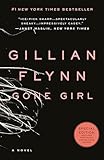
Gone Girl by Gillian Flynn
Gone Girl is the novel that defined the modern domestic thriller. Amy Dunne disappears on her fifth wedding anniversary; her husband Nick becomes the prime suspect; the dual narrative — Nick’s present-tense account and Amy’s diary — gradually reveals that neither narrator is telling the full truth. Gillian Flynn’s achievement was to take the unreliable narrator device and apply it to the domestic space with a ferocity that had not been done before at that scale. The Housemaid belongs to the tradition Gone Girl created, and reading Flynn’s novel makes clear how much the entire genre owes to it. The prose is sharper and the characters more psychologically developed than most books in this category.
Verity by Colleen Hoover
Verity is the closest contemporary equivalent to The Housemaid in terms of its emotional intensity and its willingness to go to dark places. A struggling writer is hired to complete a bestselling series and discovers a hidden autobiography in which the incapacitated author appears to confess to monstrous acts. The central question — is the manuscript a confession or a psychological fabrication? — is left genuinely unresolved, which divides readers but gives the novel a lasting quality that most thrillers lack. More explicit and more graphic than The Housemaid, but unmissable for readers who want the genre at its most visceral. Our comparison of The Silent Patient vs Verity covers the differences in detail.
The Silent Patient by Alex Michaelides
A painter shoots her husband five times and never speaks again. A therapist becomes obsessed with unlocking her silence. The Silent Patient is more literary and more structurally controlled than The Housemaid, with a classical mystery architecture and a Greek mythology underpinning that adds genuine texture. The twist is one of the best-executed in recent thriller fiction — it recontextualises the entire novel without feeling cheap. For readers who want the psychological thriller with more craft and slightly less raw momentum, this is the natural companion.
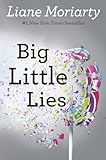
Big Little Lies by Liane Moriarty
Three women in an Australian coastal town. A murder at a school trivia night. The novel working backwards to reveal who died and how. Moriarty is working in a related tradition to McFadden but with more interest in character and community — the domestic secrets in Big Little Lies are embedded in a specific social milieu and the satire of middle-class Australian life gives the novel a dimension the pure thriller usually lacks. The domestic abuse plotline is handled with more seriousness and care than most books in this category.
Psychological Suspense with Unreliable Narrators
The Last Thing He Told Me by Laura Dave
Hannah receives a note from her husband before he disappears: Protect her. What follows is a thriller about the secrets a person keeps from the people closest to them and the lengths someone will go to protect a child not their own. Laura Dave writes with more thriller mechanics than character psychology — this is a plot-forward novel in the tradition of The Housemaid — and the pace is relentless. The emotional stakes are higher than most in the genre, which gives the twists more weight.
Where the Story Goes Dark — Where the Crawdads Sing by Delia Owens
Technically a literary novel with a mystery at its centre rather than a thriller, but Where the Crawdads Sing delivers many of the same satisfactions: an isolated protagonist, a community that misjudges her, a legal proceeding that turns on what actually happened. Owens’s novel is warmer and more lyrical than The Housemaid and the mystery is less of a twist mechanism — but readers who want the compelling central question of “what really happened?” within a richly atmospheric setting will find it deeply rewarding.
The Women Who Keep Secrets
The Women by Kristin Hannah
Hannah’s 2024 novel follows a young woman who enlists as an Army nurse in Vietnam and returns to an America that has no language for what she experienced. It is not a thriller but it shares The Housemaid’s preoccupation with women who are misjudged, silenced, or made invisible by the systems around them — and it has the same quality of compulsive readability that makes McFadden’s novels so easy to consume. For readers who want the same forward pull with more historical and emotional depth.
Daisy Jones and the Six by Taylor Jenkins Reid
An oral history of a fictional 1970s rock band and the events that caused them to break up at the height of their fame. Nothing like a thriller structurally, but Daisy Jones shares The Housemaid’s central pleasure: the dramatic irony of knowing that the story ends in collapse while watching the characters move unknowingly toward it, with everyone’s account slightly different. Reid is one of the most reliable producers of the propulsive, absorbing read, and this is her most formally inventive novel.
The Seven Husbands of Evelyn Hugo by Taylor Jenkins Reid
A reclusive Hollywood icon grants one interview to an obscure journalist and proceeds to reveal the full story of her seven marriages and the great love of her life. The structural question — why this journalist, why now? — is resolved with a twist that connects the two women’s stories in a way most readers do not see coming. Reid’s novel is less dark than The Housemaid but has the same mechanism of concealed truth being gradually revealed across a compulsive narrative.
Lighter but Still Gripping
Remarkably Bright Creatures by Shelby Van Pelt
A widow working the night shift at an aquarium, a giant Pacific octopus who observes her grief, and a young man searching for his absent father. This is the warmest book on this list and shares almost none of The Housemaid’s darkness — but it delivers the same quality of not wanting to put the book down, the same forward momentum sustained by genuine emotional investment in the characters. For readers who want the compulsive reading experience without the threat.
The Midnight Library by Matt Haig
Between life and death there is a library containing every version of a life that could have been lived. The Midnight Library is a philosophical fable about regret and possibility rather than a thriller — but it has been recommended consistently to The Housemaid readers who want something that keeps the pages turning with genuine emotional stakes. Haig’s novel is the comfort read version of the compulsive read.
What to Read After This List
For more psychological thrillers and domestic suspense, our best thriller books of all time guide covers the wider genre. For the complete Freida McFadden back catalogue, our Freida McFadden books in order guide covers every novel and where to read them.
Freida McFadden Books in Order
For every Freida McFadden novel in order — The Housemaid series, The Coworker, and her full psychological thriller catalogue — see our Freida McFadden Books in Order guide.
Affiliate disclosure: Links on this site are affiliate links. We earn a small commission at no extra cost to you. This does not influence our editorial recommendations.
Frequently Asked Questions
What should I read after The Housemaid?
The most natural next reads after The Housemaid are The Housemaid's Secret (the sequel) and then Gone Girl by Gillian Flynn, which established the template McFadden works within. The Silent Patient and Verity are the other two most-recommended pairings.
Is The Housemaid series finished?
As of 2026, the Housemaid series includes The Housemaid, The Housemaid's Secret, and the novella The Housemaid's Dilemma. Freida McFadden has not announced a fourth full-length Housemaid novel, though she continues to publish standalone thrillers.
What makes The Housemaid so popular?
The Housemaid works because of its efficient twist mechanics and its domestic power dynamic — the vulnerability of live-in employment, the isolation of the housemaid's position, and the escalating sense that something is being concealed behind the Winchester family's perfect exterior. McFadden's plotting is extremely tight and her chapter endings consistently create forward momentum.
Is The Housemaid appropriate for all readers?
The Housemaid contains domestic abuse, coercive control, and moderate violence. It is not graphically explicit but deals with difficult subject matter. Readers sensitive to these themes should be aware before starting.
What genre is The Housemaid?
The Housemaid is domestic suspense — a sub-genre of psychological thriller set within the home, focused on power dynamics between people in close proximity. It shares DNA with Gone Girl, The Silent Patient, and the work of Liane Moriarty, though it is more plot-driven and less literary than those comparisons.