Best Books About Music and Art: Fiction and Memoir
The best books about music and art — from High Fidelity and Just Kids to The Goldfinch and The Noise of Time. Fiction and memoir about creativity and artistic life.
By Aisha Patel

Books about music and art capture something that music and art themselves cannot: the inner life of the person who creates them or is transformed by them. The novels and memoirs below range from the comedy of record shop obsession (Hornby) to the lyrical memoir of artistic formation (Patti Smith) to the most elaborate meditation on beauty in contemporary fiction (Tartt).
Fiction
High Fidelity — Nick Hornby (1995)
The most beloved novel about music obsession — Rob Fleming’s record shop, his Top Five lists, his series of failed relationships, and his gradual understanding that emotional availability and musical passion are not mutually exclusive. Hornby’s portrait of the male music obsessive (using taste as identity, classification as control, enthusiasm as a substitute for intimacy) is simultaneously funny and exact. The novel that made Hornby’s reputation and that still defines a certain kind of cultural relationship to music.
Tomorrow and Tomorrow and Tomorrow — Gabrielle Zevin (2022)
Zevin’s novel about two game designers whose professional partnership spans thirty years — Sam Masur and Sadie Green create games together, fall in love and out of it, face commercial success and critical failure, and navigate the ways that creative collaboration both requires and sometimes destroys personal intimacy. The novel uses video game development as its subject but is really about what it means to make something, and what making something together does to the people involved. One of the most popular literary novels of 2022.
The Goldfinch — Donna Tartt (2013)
Tartt’s Pulitzer Prize-winning novel about grief, beauty, and the power of art — Theo Decker survives a museum bombing that kills his mother and escapes with a small Dutch painting, Fabritius’s ‘The Goldfinch.’ The painting accompanies him through foster care, Las Vegas, the New York antiques trade, and a criminal underworld, and Tartt’s argument is that beauty can sustain life when nothing else can. The most ambitious meditation on art’s power in contemporary American fiction.
Jazz — Toni Morrison (1992)
Morrison’s novel set in 1920s Harlem — structured like jazz improvisation, circling around a murder and its aftermath with a narrative voice that admits its own unreliability and shifts perspective like an improvising musician shifts key. The novel’s form enacts its subject: jazz as a way of processing freedom and loss, of making beauty from the materials of oppression.
Memoir
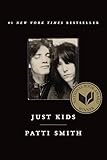
Just Kids — Patti Smith (2010)
Smith’s memoir of her friendship and love affair with Robert Mapplethorpe in New York in the late 1960s and 1970s — their arrival with nothing, their years at the Chelsea Hotel, their development as artists. Smith’s prose is lyrical and precise; the memoir is simultaneously a love story, an account of artistic formation, and a portrait of a creative community at the height of its vitality. Won the National Book Award.
Fiction About the Creative Mind Under Pressure
The Noise of Time — Julian Barnes (2016)
Barnes’s novel about Dmitri Shostakovich — three moments across his life in which he faces the pressure of the Soviet state: waiting to be arrested in 1936 after Stalin’s denunciation of his opera; his required trip to New York in 1949 to denounce Western music at Stalin’s order; his enforced joining of the Communist Party in 1960. Barnes’s argument is about the choices available to an artist under totalitarianism — the different forms of compromise and what they cost — rendered with extraordinary economy and precision.
Capturing What Art Itself Cannot Say
The premise underlying this entire list is a fascinating paradox: that literature can capture something about music and visual art that those forms cannot fully express about themselves — namely, the inner human experience of creating, encountering, and being transformed by art. A painting hangs silent on a wall; a piece of music exists in sound; neither can directly tell us what it felt like to make it, what it meant to the person who fell in love with it, or how it changed a life. This is the territory that prose claims. Tartt’s The Goldfinch takes a single small Dutch painting and traces its power to sustain a grieving boy through years of catastrophe, articulating in words an argument about beauty’s redemptive force that the painting itself could only embody. Patti Smith’s Just Kids renders from the inside the experience of two young people becoming artists, the daily texture of creative formation that no finished artwork records. Morrison’s Jazz attempts something even bolder, building a novel whose very form imitates the improvisational structure of the music it is named for, so that prose performs what jazz performs. What these books offer, then, is access to the human dimension of art — the making, the loving, the meaning, the cost — that the artworks themselves, however powerful, leave unspoken. They are translations between forms, using the novel’s unique capacity to render consciousness and interiority to illuminate experiences of music and visual art that would otherwise remain locked inside the silent canvas or the wordless song.
The Cost and the Calling of the Artist
A recurring and serious theme across these books is the examination of what the artistic life actually demands of those who pursue it — the sacrifices, compromises, dangers, and obsessions that the romantic image of the artist tends to obscure. These are not sentimental celebrations of creative genius but clear-eyed studies of art as a vocation with real costs. Barnes’s The Noise of Time poses the question in its most extreme form: what does artistic integrity mean for a composer working under a totalitarian regime that can imprison or kill him for the wrong notes, and what forms of compromise are survival rather than betrayal? The Shostakovich of the novel must navigate impossible choices, and Barnes refuses easy judgment of the accommodations a great artist makes simply to keep creating. Zevin’s Tomorrow and Tomorrow and Tomorrow explores a quieter but pervasive cost — the way creative collaboration, for all its generative power, can strain and damage the personal relationships of those bound together by the work, as ambition, envy, and the all-consuming demands of making something great complicate love and friendship. Even the obsessive music fandom of Hornby’s High Fidelity becomes a study in how a passionate relationship to art can substitute for, rather than enrich, human intimacy. Together these books insist that the artistic calling, genuine and valuable as it is, exacts a price — in relationships, in safety, in peace of mind — and that understanding art fully means understanding what it asks of those who give their lives to it.
Art as Refuge and Redemption
Set against the costs these books document is an equally powerful countertheme: the redemptive, sustaining, even life-saving power of art, its capacity to give meaning and beauty and endurance to lives that would otherwise be unbearable. This is perhaps the deepest reason the books on this list resonate so strongly with readers, because it speaks to something many have felt but rarely seen articulated — the way a piece of music, a painting, a novel can become a genuine refuge and a reason to continue. Tartt makes this argument most explicitly and ambitiously: her entire novel builds toward the claim that beauty, embodied in a small painting, can sustain a life when everything else has failed, that the encounter with great art connects us to something enduring and consoling beyond the wreckage of individual circumstance. Morrison’s Jazz finds in music a way of processing freedom, loss, and the legacy of oppression — art as a means of making beauty from the rawest and most painful materials of experience. Smith’s memoir testifies to how a shared devotion to art gave two impoverished young people not only purpose but identity and love, transforming hardship into a meaningful creative life. Whether as the obsession that organizes Hornby’s protagonist’s world or the painting that anchors Tartt’s, art appears throughout these books as one of the primary ways human beings find meaning and survive. For readers, this theme offers both recognition and affirmation: the validation of art’s central importance in their own lives, and the reminder that the time spent with music, paintings, and books is not a frivolous escape from real life but one of the essential ways we make life worth living.
Reading Order
Start accessible: High Fidelity → Just Kids → The Goldfinch.
Creative life: Just Kids → Tomorrow and Tomorrow and Tomorrow → The Noise of Time.
Art and survival: The Goldfinch → Jazz → The Noise of Time.
Frequently Asked Questions
What is the best novel about music?
High Fidelity (1995) by Nick Hornby is the most beloved novel about music obsession — Rob Fleming, a record shop owner in North London, uses his musical taste as a way of avoiding emotional commitment, and the novel traces his gradual understanding of what he has sacrificed for his obsessions. Tomorrow and Tomorrow and Tomorrow (2022) by Gabrielle Zevin uses video game development as its primary art form but makes the same argument — that creative work and emotional intimacy are inseparable, and that the choice to devote yourself to art has costs. For non-fiction about music, The Noise of Time (2016) by Julian Barnes follows Shostakovich under Stalin.
What is High Fidelity about?
High Fidelity (1995) by Nick Hornby follows Rob Fleming, who owns a record shop in North London and has recently been left by his girlfriend Laura. Rob obsessively ranks his Top Five lists (top five heartbreaks, top five records) as a way of making sense of his life, and gradually confronts the ways in which his obsession with music (as classification, as identity, as refuge from intimacy) has prevented him from being present in his relationships. Hornby's novel is the most precise account of the male record collector's psychology in fiction, and one of the funniest novels about emotional immaturity.
What is Just Kids about?
Just Kids (2010) by Patti Smith is Smith's memoir of her friendship and love affair with the photographer Robert Mapplethorpe in New York in the late 1960s and 1970s — their arrival in the city with nothing, their years at the Chelsea Hotel, their involvement in the art world of the period (Warhol, Ginsberg, William Burroughs), and their lives as artists before their separate fame. Smith's prose is lyrical and clear; the book is simultaneously a love story, an account of artistic formation, and a portrait of New York at one of its most creative periods.
What is The Goldfinch about?
The Goldfinch (2013) by Donna Tartt follows Theo Decker, whose mother is killed in a museum bombing when he is thirteen — he escapes with a small Dutch Golden Age painting (Carel Fabritius's 'The Goldfinch') and carries it with him through his chaotic subsequent life (foster care, drug addiction, the antiques trade, a criminal underworld). Tartt's novel is the most elaborate meditation on the power of art in contemporary fiction — the painting is both an object of great beauty and a projection surface for Theo's grief, and the novel's argument is that beauty can be a way of surviving what cannot be survived.