Best Books About Creativity: Essential Reading List
The best books about creativity — from Bird by Bird and On Writing to The War of Art and Big Magic. Books that help you understand the creative process and do the work.
By Lena Fischer
Books about creativity are useful not primarily because they explain where ideas come from but because they address the more practical question of why creative people don’t do the work — and what to do about it. The best of them are honest about the difficulty of the creative process and specific about what actually helps.
The books below are weighted toward the practical: books that change what you do, not just what you believe.
For Writers
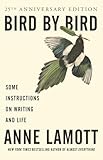
Bird by Bird — Anne Lamott (1994)
The most beloved book on the writing process. Lamott is warm, funny, and honest about how hard writing is and why it’s worth doing anyway. Her chapter on ‘shitty first drafts’ — the argument that the first draft of anything is supposed to be terrible, and that expecting otherwise is the primary cause of writer’s block — has released more writers than any other single piece of advice. The book is also about the relationship between writing and living: what it means to pay attention closely enough to write, and what writing does to the writer.
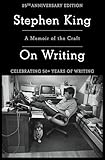
On Writing — Stephen King (2000)
The most useful writing guide from a working professional. The book is split: the first half is a memoir of King’s early life and the circumstances in which he learned to write; the second half is practical advice on vocabulary, grammar, style, and the mechanics of fiction. King is direct and specific — he believes in reading widely, writing every day, and cutting your first draft by at least 10% — and the memoir sections are among the most engaging writing about a writing life.
For All Creative Work
The War of Art — Steven Pressfield (2002)
The most practically useful book for any creative — the one that names the enemy. Pressfield’s concept of Resistance (the internal force that manifests as procrastination, self-doubt, and distraction when you try to do creative work) has helped many creators identify what was stopping them and treat it as the obstacle it is rather than as a legitimate reason to wait. The book is short, direct, and structured around the principle that the professional shows up to do the work regardless of mood or inspiration.
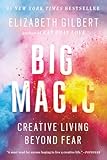
Big Magic — Elizabeth Gilbert (2015)
The most encouraging of the creativity books, and the most useful for blocked creators. Gilbert argues for approaching creative work with curiosity rather than anxiety — that fear is always present during creative work, and that the secret is to bring fear along rather than waiting for it to leave. Her chapters on ‘enchantment’ (the way that ideas find and pursue us) and on permission (you don’t need to be published or recognised to legitimately call yourself a writer or artist) are particularly valuable.
The Producer’s Perspective
The Creative Act — Rick Rubin (2023)
Rubin, one of the most successful record producers in history, describes his approach to creative work — which is primarily about attention, openness, and removing the obstacles between an artist and their best work. The book is structured as a series of short chapters on different aspects of the creative process (tuning in, the work itself, completion) and is less prescriptive than Pressfield or Lamott. It is most useful for readers interested in creativity as a practice of presence rather than as a set of techniques.
The Real Obstacle Is Rarely Talent
The most important insight shared across these books, and the reason they are genuinely useful rather than merely inspiring, is their collective rejection of the romantic myth that creativity is primarily a matter of innate talent or mysterious inspiration. Every author on this list, from very different vantage points, locates the real obstacle to creative work somewhere else entirely: in the psychology of the person trying to do it. Pressfield names this obstacle Resistance and treats it as a near-universal force that rises in proportion to the importance of the work. Lamott identifies it as the perfectionism and self-judgment that make a writer unable to tolerate the necessary badness of a first draft. Gilbert locates it in fear, and argues that the solution is not to banish fear but to work alongside it. What unites these diagnoses is the recognition that most creative failure is not a failure of ability but a failure of nerve, discipline, or self-permission — that the gap between people who make things and people who only wish they did is rarely a gap in talent. This is genuinely good news, because it means the central problem of the creative life is addressable. You cannot will yourself to be more gifted, but you can learn to recognize Resistance, to grant yourself permission to write badly, to show up regardless of mood, and to stop waiting for a confidence that will never arrive in advance of the work. By relocating the problem from the unchangeable realm of talent to the workable realm of psychology and habit, these books transform creativity from a mystery one either possesses or lacks into a practice one can actually improve.
Discipline, Curiosity, or Presence?
While these books agree that the obstacle to creativity is psychological, they diverge instructively on the remedy, and recognizing which approach suits your temperament is the key to choosing among them. Pressfield prescribes discipline and professionalism: his metaphor is war, his model is the soldier or the pro who shows up and does the work regardless of feeling, treating Resistance as an enemy to be defeated through sheer consistency. This is bracing medicine, ideal for the creator whose problem is straightforward avoidance and who responds to a kick rather than a hug. Gilbert prescribes curiosity and enchantment: her vision is gentler and more mystical, framing creativity as a collaboration with ideas that seek us out, and counseling that we approach the work with playful interest rather than grim determination or high-stakes anxiety. This suits the creator paralyzed less by laziness than by fear, pressure, and the crushing weight of wanting the work to be important. Rubin prescribes presence and attention: his approach, drawn from a lifetime of helping artists find their best work, is the least prescriptive of all, concerned with cultivating the openness, awareness, and freedom from self-consciousness from which good work flows. The existence of these distinct and even contradictory philosophies is not a weakness but a strength of the genre, because creators differ, and the same advice that liberates one person constrains another. The reader’s task is self-diagnosis: to identify whether their creative block is a matter of discipline, fear, or attention, and to reach for the book whose temperament matches their own.
Creativity Belongs to Everyone
A final and liberating theme running through these books, articulated most explicitly by Gilbert but present throughout, is the insistence that creativity is not the exclusive property of a special class of anointed geniuses but a birthright available to everyone. This argument matters because so many people are blocked at the very threshold, stopped not by any specific difficulty in the work but by the prior conviction that they have no right to attempt it — that calling oneself a writer or artist requires permission, credentials, recognition, or proof of exceptional gift that they lack. The books on this list dismantle this gatekeeping conviction. Gilbert argues directly that you do not need to be published, paid, or validated by anyone to legitimately pursue a creative life, and that the pursuit itself is worthwhile regardless of outcome. Rubin treats creativity as a fundamental way of being human, an act of paying attention to the world that anyone can practice. Even the more discipline-focused books carry this democratic implication: if the obstacle is psychological rather than a matter of rare talent, then the door is open to anyone willing to do the inner work of walking through it. This message has practical force. It frees the aspiring creator from the paralysis of waiting to feel qualified, from the trap of comparing their beginnings to others’ polished results, and from the false belief that creativity is a fixed trait one is born with or without. The books invite their readers not to admire creativity from a respectful distance but to claim it — to understand that the creative life is not a club requiring admission but a practice requiring only the courage to begin and the persistence to continue.
Reading Order
For writers specifically: Bird by Bird → On Writing → The War of Art.
For any creative: The War of Art → Big Magic → Bird by Bird.
For depth: On Writing → The War of Art → The Creative Act → Bird by Bird.
Frequently Asked Questions
What is the best book about creativity?
Bird by Bird by Anne Lamott is the most beloved book about the writing process — warm, funny, and honest about how difficult creative work is and how to continue anyway. On Writing by Stephen King is the most useful for fiction writers — half memoir, half practical guide, it is the clearest account of how a professional writer actually works. The War of Art by Steven Pressfield is the most useful for creative work of any kind — his concept of 'Resistance' (the internal force that prevents you from doing the creative work you are called to do) has helped many readers identify and confront what was stopping them.
What is Bird by Bird about?
Bird by Bird by Anne Lamott (1994) takes its title from a story about her brother, who was overwhelmed by a school project on birds and paralysed by the scope of what he had to do until his father told him to take it 'bird by bird.' The book applies this lesson to writing — and to creative work generally — with warmth and self-deprecating humour. Lamott is honest about the difficulty of the creative process (including her famous chapter on 'shitty first drafts'), about the role of jealousy and self-doubt, and about why the work matters anyway. It is the most humanising book on the writing process.
What is The War of Art about?
The War of Art by Steven Pressfield (2002) argues that the primary obstacle to creative work is what he calls Resistance — the internal force that manifests as procrastination, self-doubt, distraction, and all the other strategies the mind uses to prevent the creative act. Pressfield argues that Resistance is universal and inevitable, and that the only response is to turn professional: to show up every day, do the work regardless of mood or inspiration, and treat the creative act as an obligation rather than a gift. The book is short, direct, and has been described by many writers and artists as the book that unlocked them.
What is Big Magic about?
Big Magic by Elizabeth Gilbert (2015) takes a more mystical approach to creativity than the other books on this list — Gilbert believes that ideas are living beings that seek human partners for their realisation, and that creativity is a collaboration between the human and something larger. Whether or not you accept the metaphysics, the book's practical argument — that creative work should be approached with curiosity rather than anxiety, that 'done' is better than 'perfect,' that fear is inevitable but need not be obeyed — is consistently useful. It is the most encouraging of the creativity books, and the most useful for blocked creators.