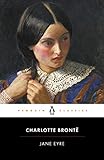
Charlotte Brontë was a 19th-century English novelist whose Jane Eyre remains a landmark of the English canon — a fiercely independent story of love, conscience, and self-worth.
Charlotte Brontë was the eldest of three literary sisters who grew up in the Yorkshire moors and transformed their isolated, bookish upbringing into some of the most enduring novels of the Victorian era. Published in 1847 under the male pseudonym Currer Bell, Jane Eyre was immediately recognized as something new: a first-person narrative voice of startling directness and psychological intensity, speaking from a perspective — that of a poor, plain woman with strong moral convictions and stronger feelings — that had rarely been given such uncompromising expression.
Jane Eyre follows its orphaned protagonist from a miserable childhood through her years as a governess at Thornfield Hall, where she falls in love with the brooding, evasive Mr. Rochester. The novel is gothic, romantic, and deeply concerned with questions of conscience and independence. Jane’s famous declaration — “I am no bird; and no net ensnares me” — has resonated with readers for nearly two centuries. Brontë does not always write cleanly; the plotting relies on coincidence, and Rochester’s appeal requires some interpretive generosity from modern readers given his manipulation. The novel’s treatment of Bertha Mason, the “madwoman in the attic,” has rightly drawn scrutiny as a reflection of Victorian attitudes toward colonialism and female autonomy.
None of this diminishes Jane Eyre’s achievement. Brontë created a heroine who demands to be taken seriously on her own terms, and the novel’s emotional architecture — its movement from loneliness and constraint toward hard-won wholeness — still holds considerable power.
Reading Guides