Books Like A Game of Thrones: 12 Epic Fantasies
If A Game of Thrones hooked you with its political intrigue, moral ambiguity, and willingness to kill major characters, these epic fantasy series deliver the same uncompromising scope.
A Game of Thrones redefined epic fantasy for a generation of readers. George R.R. Martin’s achievement was making a genre known for its certainties feel genuinely uncertain: major characters die, noble houses collapse, and moral virtue is no guarantee of survival. The political complexity of Westeros, the depth of its history, and the sheer cast of competing perspectives changed what readers expect from fantasy at scale.
Finding something that delivers the same experience is genuinely difficult — most epic fantasy makes different choices about safety and resolution. The books below are chosen for specific qualities that ASOIAF does well: political intrigue, moral complexity, willingness to subvert heroic conventions, and scope that rewards long-term investment.
Closest in Tone: Grimdark and Morally Complex Fantasy
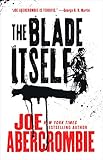
#1 — The Blade Itself by Joe Abercrombie
The First Law trilogy begins with three protagonists who are each, in different ways, corrupted versions of fantasy archetypes: a torturer with an intellectual streak, a barbarian from the frozen north, and a crippled war veteran. Abercrombie is doing exactly what Martin does — examining what happens when genre conventions meet human nature — but with greater sardonic wit and a more compressed structure. The trilogy’s ending is one of the most deliberately subversive in the genre. If you want ASOIAF’s moral complexity at a fraction of the page count, this is where to start.
#2 — Assassin’s Apprentice by Robin Hobb
FitzChivalry Farseer is the bastard son of a prince who can never claim his inheritance, trained in secret as an assassin by his kingdom’s spymaster. Hobb’s Farseer Trilogy is quieter and more character-driven than Martin’s work but shares its deep engagement with dynastic politics, loyalty under impossible pressures, and the cost of power to individuals. Fitz is one of the most fully realised protagonists in fantasy; his suffering is not exciting but genuinely painful. The court intrigue is as dense as Westeros, the magic more limited and mysterious. Deeply satisfying for readers who cared more about the characters than the battles.
#3 — The Lies of Locke Lamora by Scott Lynch
In the canal city of Camorr — a secondary world Venice built on the ruins of an alien civilisation — a gang of con artists runs scams against the city’s noble houses while a political crisis threatens to engulf them all. Lynch’s novel has ASOIAF’s worldbuilding density and its pleasure in the mechanics of power and deception, compressed into a heist structure that is significantly more fun. The friendship between Locke and Jean is one of fantasy’s best male friendships. The sequel, Red Seas Under Red Skies, is equally good; the third book remains unfinished as of 2026.
Epic Scale and World-Building
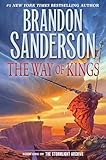
#4 — The Way of Kings by Brandon Sanderson
The Stormlight Archive is the most technically ambitious fantasy project currently running — ten books planned, five published, with a world whose history and mythology rival Tolkien in density. Sanderson’s approach is the opposite of Martin’s in one key respect: his magic systems have rigorous internal rules and his plotting rewards investment with structural payoffs. The politics of Roshar — the fractured Alethi highprinces, the Parshendi enemy, the encroaching storm — are as complex as Westeros, and the scale of what Sanderson is building becomes clearer with each volume. First arc complete with Wind and Truth (2024).
#5 — The Final Empire by Brandon Sanderson
For readers who want a complete trilogy before committing: the original Mistborn trilogy starts here. A world where the prophesied hero failed and the Dark Lord won a thousand years ago; now a crew of thieves plans a heist to overthrow him. The magic system (Allomancy — burning metals to gain powers) is one of fantasy’s most inventive, and the trilogy delivers a complete, fully resolved story with genuine surprises. The politics of the Final Empire have nothing of Westeros’s feudal complexity, but the moral questions about revolution and the price of power are just as serious.
#6 — The Priory of the Orange Tree by Samantha Shannon
A standalone epic — over a thousand pages, multiple POVs across different kingdoms, a mythology of dragons and ancient cataclysm — that is explicitly interested in the politics of female rule and the way history gets written by the powerful. Shannon’s world has the density of Tolkien and the political sophistication of Martin, and the standalone structure means it rewards commitment with a complete story. The best single-volume epic fantasy of the past decade.
For Fans of the Politics Over the Fantasy
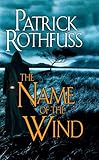
#7 — The Name of the Wind by Patrick Rothfuss
Kvothe tells the story of his own legend — how a young man with an extraordinary gift for music and sympathy magic survived the murder of his family, rose through the University, and became the most feared person in the world. Rothfuss’s prose is the best of any fantasy writer working today, and the novel’s frame structure — an older Kvothe, clearly diminished and hiding — creates a melancholy that runs beneath the adventure. The politics are university-level rather than Westeros-level, but the sense of a world with real depth and a history that matters is identical. Note: the series has been unfinished since 2011; The Wise Man’s Fear (Book 2) is available, Book 3 is not.
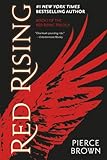
#8 — Red Rising by Pierce Brown
In a far-future solar system divided into a rigid colour-coded caste hierarchy, a lowly Gold miner goes undercover at the elite Institute to bring the system down from within. Brown’s trilogy begins as a Hunger Games-style dystopia and expands into a genuine space opera with ASOIAF’s political complexity and willingness to inflict loss. The Institute sequences are the closest thing in science fiction to the brutal political maneuvering of Westeros. The full series runs to six books; the original trilogy is the best.
If You Want Something More Accessible
#9 — The Hobbit by J.R.R. Tolkien
The foundation of everything ASOIAF is in dialogue with. Tolkien’s shorter, lighter prequel to The Lord of the Rings is the most accessible entry to the tradition that Martin was deliberately subverting. If you came to fantasy through Martin and have never read Tolkien, The Hobbit is the place to understand what the genre looked like before Martin asked what it would mean if none of its conventions were guaranteed.
Frequently Asked Questions
What should I read while waiting for The Winds of Winter?
The best options while waiting for the next ASOIAF novel are The Blade Itself (Joe Abercrombie) for grimdark political fantasy, The Way of Kings (Brandon Sanderson) for epic scope, and Assassin's Apprentice (Robin Hobb) for deep character and court intrigue. All three are complete or ongoing series with published entries to keep you occupied.
Is there anything as dark as A Game of Thrones?
Joe Abercrombie's First Law trilogy (starting with The Blade Itself) is the closest to ASOIAF in terms of moral ambiguity and willingness to subvert heroic fantasy conventions. The grimdark genre Abercrombie helped define deliberately denies readers the comforting certainties of traditional epic fantasy.
What epic fantasy series is actually finished?
Fully completed series include The First Law trilogy (Abercrombie), Mistborn Era 1 (Sanderson), The Farseer Trilogy (Robin Hobb), The Lies of Locke Lamora and sequel (Scott Lynch — third book pending), and Red Rising through Book 6. The Stormlight Archive's first five-book arc concluded with Wind and Truth in 2024.
What is the best starting point if I loved the HBO show but haven't read the books?
Start with A Game of Thrones itself — the first three books in particular are considered superior to the show's adaptation. If you've already seen all of ASOIAF, The Blade Itself is the closest in tone and sensibility to what made the HBO series work: political maneuvering, morally grey characters, and no guaranteed plot armor.