Editors Reads
Classic FictionScience FictionGothic Fiction

Mary Shelley

British · b. 1797

5 books reviewed Avg rating 4.0 / 5Top rating 4.8 / 5

Regarded as the mother of science fiction

Mary Shelley was a British author who wrote Frankenstein at eighteen, creating the prototype for modern science fiction and one of literature's most enduring meditations on creation, responsibility, and the monstrous.

Mary Wollstonecraft Shelley was the daughter of two radical philosophers — William Godwin and Mary Wollstonecraft — and the lover and eventual wife of Percy Bysshe Shelley, facts that shaped her intellectual formation and the ambition of her first novel. Frankenstein, begun when she was eighteen during the famous ghost story challenge at the Villa Diodati in 1816, was published in 1818. It invented the template for modern science fiction and introduced questions — about the ethics of creation, the responsibilities of the maker to the made, the meaning of humanity — that have not been exhausted by two centuries of repetition and adaptation.

The novel is considerably stranger than its cultural afterlife suggests. Victor Frankenstein is not a hero but a man whose Promethean ambition is exposed as vanity and cowardice, and the creature — eloquent, wronged, and genuinely moving in his account of his own rejection and education — is the more sympathetic figure. The nested narrative structure (Walton writes to his sister about Frankenstein’s account of the creature’s account of his own life) distances and layers the story in ways that anticipate modernist technique. Shelley is asking not just whether we can create life but what we owe what we create.

The novel has limitations: the plot strains credulity in places, and the female characters are underdeveloped even by the standards of what Shelley elsewhere demonstrated she could do. But its central questions remain urgent, and its creature — abandoned by his maker and made into a monster by human rejection — has entered the cultural imagination as a figure who refuses to stay buried.

5 Books Reviewed

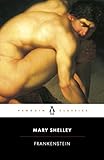
Frankenstein book cover

Frankenstein

by Mary Shelley

4.8

Victor Frankenstein creates life from dead matter and then abandons his creation. Shelley's 1818 novel, written when she was 18, invented science fiction as a genre and remains the most philosophically profound horror novel ever written: a meditation on creation, abandonment, and what it means to be human.

Check Price on Amazon (paid link)
The Last Man book cover

The Last Man

by Mary Shelley

4.1

Set in a twenty-first century England that has adopted republican government, Mary Shelley's visionary 1826 novel follows Lionel Verney as a plague sweeps across the world, wiping out humanity one country at a time, until he walks the earth alone — the last human survivor. One of the earliest and most devastating pandemic novels ever written.

Check Price on Amazon (paid link)
Mathilda book cover

Mathilda

by Mary Shelley

3.9

Written in 1819 but suppressed by Shelley's father and unpublished until 1959, Mathilda is a harrowing gothic novella about a young woman destroyed by her father's incestuous obsession and her subsequent withdrawal into grief. Autobiographical in its emotional truth, it is among the most painfully honest works Shelley ever wrote.

Check Price on Amazon (paid link)
Valperga book cover

Valperga

by Mary Shelley

3.8

Set in fourteenth-century Italy, Valperga follows the rise of the condottiere Castruccio Castracani — a real historical figure — from boyhood idealism to tyrannical power, through the eyes of Euthanasia, the remarkable Countess of Valperga, who loves him and watches him be destroyed by ambition.

Check Price on Amazon (paid link)
The Fortunes of Perkin Warbeck book cover
3.6

A historical novel about Perkin Warbeck, the pretender who claimed to be Richard, Duke of York — the younger of the two Princes in the Tower — and whose attempt to claim the English throne from Henry VII ended in defeat and execution. Shelley treats Warbeck as a genuine prince, making the novel a sustained meditation on legitimacy, loyalty, and the human cost of failed causes.

Check Price on Amazon (paid link)

Reading Guides & Lists

Disclosure: Amazon links on this page are affiliate links. If you purchase through them we earn a small commission at no extra cost to you.

Skip to main content