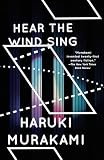
One night in Tokyo, told in real time and in the second person plural — 'we' observe, as if a camera, the city between midnight and dawn. Mari, a student, sits in a Denny's with a book; her sister Eri sleeps in their apartment, apparently unable to wake. The night connects them to musicians, a Chinese woman beaten in a love hotel, and the city's insomniac underside. Murakami's shortest and most experimental novel.
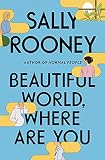
Alice, a novelist recovering from a breakdown, and Eileen, a literary editor in Dublin, exchange long emails about love, politics, art, and how to live ethically in the present. Meanwhile, their respective relationships — Alice with Felix, Eileen with Simon — test what they believe against what they actually do.
At twenty, Tsukuru Tazaki was suddenly cut off by his four closest friends without explanation. Sixteen years later, at his girlfriend's urging, he sets out to find out why. A quieter and more realist Murakami — a novel about the wounds that friendship inflicts and the years of recovery they require, structured around a pilgrimage to three countries.
Pip Tyler — twenty-three, broke, searching for her mysterious father — is recruited into a WikiLeaks-style organization run by an enigmatic German idealist. Franzen's fourth novel is his most ambitious in scale and his most contentious, weaving American internet culture with Cold War German history.
Two mixed-race girls grow up together in north London, bonded by a love of dance. One becomes a global pop star's assistant; the other, a dancer who never quite makes it. Smith's fifth novel weaves together questions of race, ambition, fame, and what it means to be the supporting character in someone else's story.
Four north Londoners — each shaped by the same council estate — navigate adulthood differently. Smith's most formally adventurous novel abandons the warm sociability of White Teeth for fragmented, pressured prose that tries to catch consciousness in the act.