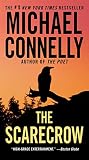
Editors Reads Verdict
The Scarecrow reunites reporter Jack McEvoy with FBI agent Rachel Walling for a serial-killer thriller updated for the digital age, pitting them against a tech-savvy predator who hunts through data. Connelly weaves the death of print journalism and the dangers of the digital trail into a propulsive sequel to The Poet.
What We Loved
- A timely digital-age serial-killer premise
- Reunites McEvoy and Rachel Walling
- Engages the death of print journalism
- A propulsive sequel to The Poet
Minor Drawbacks
- The villain's-eye-view divides focus
- Some tech elements date quickly
- Less surprising than The Poet
Key Takeaways
- → The digital trail is a hunting ground
- → A dying industry sharpens a last story
- → Data can expose or endanger
- → Old partnerships can be rekindled
| Author | Michael Connelly |
|---|---|
| Publisher | Grand Central |
| Pages | 448 |
| Published | January 1, 2009 |
| Language | English |
| Genre | Thriller, Crime Fiction, Mystery, Fiction |
| Difficulty | Beginner |
| Best For | Jack McEvoy and Connelly readers; fans of digital-age serial-killer thrillers. |
How The Scarecrow Compares
The Scarecrow at a glance against 3 similar books readers weigh alongside it.
| Book | Author | Rating | Best for |
|---|---|---|---|
| The Scarecrow (this book) | Michael Connelly | ★ 3.9 | Jack McEvoy and Connelly readers |
| Fair Warning | Michael Connelly | ★ 3.9 | Jack McEvoy and Connelly readers |
| The Narrows | Michael Connelly | ★ 4.0 | Harry Bosch and Poet readers |
| The Poet | Michael Connelly | ★ 4.2 | Crime-thriller readers |
A Reporter’s Last Story
The Scarecrow, the second Jack McEvoy novel and a sequel to The Poet, finds the crime reporter at a low point: laid off from the Los Angeles Times, given two weeks to train his replacement, his career and his industry collapsing around him. With nothing left to lose, McEvoy chases one last story — what looks at first like a routine murder, a young woman killed and a man wrongly accused. But the story proves to be the trail of a serial killer, the Scarecrow, who hides in the digital world: a data-center engineer who stalks his victims through the information they never knew they had left behind, exploiting the digital trail of modern life to find and destroy his prey.
The digital-age premise is the book’s timely, distinctive feature. By making the killer a tech-savvy predator who hunts through data — exploiting the digital footprints, the personal information, the electronic trails that everyone now leaves — The Scarecrow updates the serial-killer thriller for the information age. The premise taps a genuine and growing anxiety about digital privacy and the dangers of the data we shed, and the Scarecrow’s exploitation of the digital trail makes him a frightening, contemporary villain. The timely premise gives the sequel a fresh, relevant edge.
The Death of Print
The Scarecrow is also, pointedly, about the collapse of print journalism. McEvoy’s layoff, the gutting of the Los Angeles Times, the decline of the newspaper industry — these are central to the novel, and Connelly, himself a former crime reporter, writes about the death of print with evident feeling. McEvoy’s last story is pursued against the backdrop of his industry’s collapse, the dying newspaper giving his hunt an elegiac quality, the sense of a reporter chasing one final story as his profession disappears around him. This engagement with the death of print gives the novel a thematic weight beyond its thriller plot.
The combination of a digital-age killer and a dying print industry gives The Scarecrow a doubled relevance — both the rise of digital threats and the fall of traditional journalism, the two sides of the information revolution. McEvoy, a print reporter hunting a killer who exploits the digital world, embodies the collision of the old and new media ages, and the novel draws thematic resonance from that collision. The timely engagement with journalism’s collapse distinguishes the sequel and gives McEvoy’s pursuit its elegiac undertone.
Reunited With Walling
The Scarecrow reunites McEvoy with FBI agent Rachel Walling, his partner and love interest from The Poet, and their rekindled relationship gives the novel a personal thread alongside the hunt. Walling joins the pursuit of the Scarecrow, and the dynamic between the reporter and the agent — professional, romantic, complicated by their history — adds texture to the thriller. The reunion rewards readers of The Poet, the relationship between McEvoy and Walling deepened by the earlier book, and Walling’s involvement gives the FBI’s pursuit of the digital killer a personal dimension.
The novel employs a villain’s-eye-view structure, alternating between McEvoy and Walling’s pursuit and the Scarecrow’s own perspective, which builds tension but also divides the focus, splitting the narrative between hunters and hunted. Some of the tech elements date quickly, the specific technology of the late 2000s now somewhat dated, and the sequel is less surprising than The Poet, lacking that novel’s famous twist. But the timely premise, the engagement with print’s death, and the reunion with Walling combine into a propulsive sequel. Connelly’s assured plotting carries the digital-age thriller to a satisfying resolution.
A Timely Sequel
The Scarecrow is a strong, timely Jack McEvoy sequel, and its strengths are the digital-age serial-killer premise, the engagement with the death of print journalism, and the reunion with Rachel Walling. The tech-savvy killer gives the novel a contemporary edge, the collapse of print gives it thematic weight, and the rekindled relationship gives it a personal thread. The villain’s-eye-view divides the focus and some tech dates quickly, but the timely premise and the thematic resonance distinguish it.
Connelly’s lean prose and assured plotting carry the digital-age thriller, and the engagement with journalism’s collapse gives it elegiac weight. The Scarecrow is Connelly in a timely, digital-age mode, anchored by a tech-savvy serial killer and a dying newspaper, a propulsive sequel to The Poet that updates the serial-killer thriller for the information age.
Where It Sits in the Series
The Scarecrow is the second Jack McEvoy novel, following The Poet and preceding Fair Warning. It reunites McEvoy with Rachel Walling, reading richer with knowledge of The Poet, and works as a standalone. For readers tracking the McEvoy novels, it is a timely, digital-age sequel.
Among Connelly’s novels, The Scarecrow stands out for its digital-age serial-killer premise and its engagement with the death of print journalism, a timely sequel to The Poet. It is a propulsive thriller anchored by a tech-savvy killer and a dying newspaper, demonstrating Connelly’s ability to update the serial-killer genre for the information age and reuniting his reporter hero with Rachel Walling.
The elegiac portrait of journalism’s collapse gives The Scarecrow a personal weight that distinguishes it within Connelly’s work. A former crime reporter himself, Connelly writes McEvoy’s layoff and the gutting of the Los Angeles Times newsroom with the specificity and feeling of someone mourning his own former profession, and that authenticity grounds the thriller in a real cultural loss. The novel becomes, in part, a lament for the kind of dogged, resource-intensive investigative journalism that the digital age was rendering economically impossible — the very journalism that lets McEvoy catch his killer. There is a pointed irony in the book’s structure: the digital revolution that empowers the Scarecrow to hunt through data is the same revolution that is destroying the newspapers capable of stopping him. That tension between the promise and the peril of the information age gives The Scarecrow a thematic richness beyond its serial-killer plot, and it reflects Connelly’s abiding interest in the institutions — police, courts, the press — that a society relies on to deliver justice.
Our rating: 3.9/5 — A timely Jack McEvoy sequel that pits the laid-off reporter and FBI agent Rachel Walling against a serial killer who hunts through digital data, set against the collapse of print journalism.
Frequently Asked Questions
What is "The Scarecrow" about?
Laid off from the Los Angeles Times, crime reporter Jack McEvoy has two weeks left and one last story to chase. What looks like a routine murder becomes the trail of a serial killer who hides in the digital world — a data-center engineer who stalks his victims through the information they never knew they'd left behind.
Who should read "The Scarecrow"?
Jack McEvoy and Connelly readers; fans of digital-age serial-killer thrillers.
What are the key takeaways from "The Scarecrow"?
The digital trail is a hunting ground A dying industry sharpens a last story Data can expose or endanger Old partnerships can be rekindled
Is "The Scarecrow" worth reading?
The Scarecrow reunites reporter Jack McEvoy with FBI agent Rachel Walling for a serial-killer thriller updated for the digital age, pitting them against a tech-savvy predator who hunts through data. Connelly weaves the death of print journalism and the dangers of the digital trail into a propulsive sequel to The Poet.
Ready to Read The Scarecrow?
Check the current price on Amazon.
Check Price on Amazon (paid link)Prices and availability are subject to change. See Amazon for current price.
Review last updated: