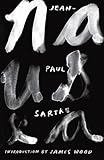
Editors Reads Verdict
The novel that made existentialism feel like a lived experience rather than an abstraction. Sartre's portrait of a man overwhelmed by the brute fact of existence is unsettling, brilliant, and deliberately uncomfortable.
What We Loved
- Dramatizes existentialist philosophy as a vivid, lived experience
- Genuinely unsettling — it makes the reader feel the vertigo of pure existence
- Foundational to twentieth-century thought and literature
Minor Drawbacks
- More philosophical meditation than plotted novel; deliberately static
- Bleak, abstract, and demanding; not a conventional reading pleasure
Key Takeaways
- → Existence precedes essence — things simply are, without inherent meaning or justification
- → Freedom can feel like dread; confronting a purposeless universe is vertiginous
- → Meaning is not found but made, perhaps through the act of creation itself
| Author | Jean-Paul Sartre |
|---|---|
| Publisher | New Directions |
| Pages | 192 |
| Published | January 1, 1938 |
| Language | English |
| Genre | Literary Fiction, Philosophy, Classic Literature |
| Difficulty | Advanced |
| Best For | Readers of philosophical fiction and anyone curious about the literary roots of existentialism. |
How Nausea Compares
Nausea at a glance against 3 similar books readers weigh alongside it.
| Book | Author | Rating | Best for |
|---|---|---|---|
| Nausea (this book) | Jean-Paul Sartre | ★ 4.1 | Readers of philosophical fiction and anyone curious about the literary roots of |
| The Fall | Albert Camus | ★ 4.2 | Camus readers ready for his most complex work |
| The Stranger | Albert Camus | ★ 4.5 | Readers interested in existentialist and absurdist philosophy — and anyone who |
| The Trial | Franz Kafka | ★ 4.5 | Readers who want to understand how 20th-century literature responded to |
Existentialism as a Lived Experience
Jean-Paul Sartre’s Nausea, published in 1938, is the novel that made existentialism feel like something a person could undergo rather than merely think about. Sartre would later lay out his philosophy in dense treatises, but here, in his first and finest work of fiction, he dramatizes its central confrontation — the encounter with a universe that has no inherent meaning, purpose, or justification — as a visceral, almost physical experience. The result is a strange, unsettling, deliberately uncomfortable book that is less a story than a sustained meditation, and one of the foundational documents of twentieth-century thought. It is not an easy or a conventionally pleasurable read, but for anyone curious about the roots of existentialism or willing to follow philosophy into the body, it is essential.
The book takes the form of a diary kept by Antoine Roquentin, a solitary historian living in a dreary French port town, researching the life of an eighteenth-century figure he increasingly cannot bring himself to care about. Roquentin has begun to experience something he calls “the nausea” — a creeping, recurring dread that overtakes him in the presence of ordinary objects: a pebble on the beach, the root of a chestnut tree, his own hand. The nausea is the sensation of existence itself stripped of all the meanings, names, and purposes we ordinarily drape over it — the overwhelming, sickening recognition that things simply are, brutely and without reason, existing for no purpose and justified by nothing.
The Brute Fact of Existence
This is the novel’s great achievement: it renders an abstract philosophical idea — that existence precedes essence, that things exist first and acquire meaning only secondarily and from us — as a concrete, nauseating experience. In the book’s famous central scene, Roquentin sits before the root of a chestnut tree and is seized by a vision of its sheer, superfluous existence: not “root,” not “tree,” not any of the useful words that domesticate it, but a raw, meaningless presence that has no right or reason to be there and simply, monstrously, is. The veil of language and purpose falls away, and Roquentin confronts being in the nude, so to speak — and it makes him sick. Sartre makes the reader feel this vertigo, the dizzying recognition that the world’s apparent order and meaning are projections, that underneath them lies only contingent, purposeless existence.
From this confrontation flows the existentialist insight that would define Sartre’s thought: if existence has no inherent meaning, then meaning is not discovered but created; we are radically free, and radically responsible, to make our own purpose in a universe that supplies none. This freedom is not liberating in any simple sense — in Nausea it is closer to dread, the anxiety of standing before a meaningless world with no external justification for anything. Roquentin’s nausea is the felt experience of that freedom before it has been put to any use.
A Meditation, Not a Plot
Readers should approach Nausea knowing what it is and is not. It is not a plotted novel in any conventional sense. Very little “happens”; Roquentin walks, sits in cafés, abandons his research, has a few thin human encounters, and above all thinks and feels. The book is static by design — a record of a consciousness confronting existence, not a narrative of events. This deliberate stasis, the immersion in one alienated mind’s philosophical crisis, is the source of both its power and its difficulty. Readers wanting story, character development, or momentum will find the experience demanding; the rewards are intellectual and atmospheric rather than narrative.
The bleakness, too, is real. Nausea is a portrait of alienation, of a man cut off from others and overwhelmed by the meaninglessness he perceives, and it offers little warmth or relief. Yet it is not entirely without hope. In its final pages, Roquentin glimpses a possible escape from the nausea — not in philosophy or history, but in art, in the act of creation, in the idea that he might make something, a novel perhaps, that would possess the necessity that mere existence lacks. It is a tentative, fragile suggestion, but it points toward the existentialist faith that meaning can be forged, that the free individual can wrest purpose from a purposeless world.
Why It Endures
Nausea endures because it did something no treatise could: it made a philosophy feel like an experience, gave a generation a vocabulary for a particular modern dread, and demonstrated that fiction could carry the weight of serious thought without ceasing to be felt on the pulse. Its influence runs through Camus, through the whole existentialist movement, through countless later novels of alienation and the absurd. To read it is to encounter the source of a way of seeing that shaped the century.
It is a difficult, abstract, deliberately uncomfortable book, and it will not suit every reader. But for those drawn to the meeting point of literature and philosophy, to fiction that takes ideas as seriously as feelings, Nausea is foundational — the novel where existentialism first became something you could feel in your stomach.
Final Verdict
Our rating: 4.1/5 — The foundational existentialist novel, dramatizing the confrontation with a meaningless universe as a vivid, nauseating experience. More meditation than plot, bleak and demanding, but brilliant and genuinely unsettling. Essential for readers of philosophical fiction.
For more on the absurd and the meaning of existence, see The Stranger, The Trial, and The Fall.
Frequently Asked Questions
What is "Nausea" about?
Jean-Paul Sartre's first novel and a foundational text of existentialism. Through the diary of Antoine Roquentin, a solitary historian gripped by a creeping 'nausea' at the sheer, meaningless existence of things, Sartre dramatizes the confrontation with a universe without inherent purpose.
Who should read "Nausea"?
Readers of philosophical fiction and anyone curious about the literary roots of existentialism.
What are the key takeaways from "Nausea"?
Existence precedes essence — things simply are, without inherent meaning or justification Freedom can feel like dread; confronting a purposeless universe is vertiginous Meaning is not found but made, perhaps through the act of creation itself
Is "Nausea" worth reading?
The novel that made existentialism feel like a lived experience rather than an abstraction. Sartre's portrait of a man overwhelmed by the brute fact of existence is unsettling, brilliant, and deliberately uncomfortable.
Ready to Read Nausea?
Check the current price on Amazon.
Check Price on Amazon (paid link)Prices and availability are subject to change. See Amazon for current price.
Review last updated: