Where to Start with Stephen Chbosky: A Reading Guide
Where to start with Stephen Chbosky — how to approach The Perks of Being a Wallflower, his essential coming-of-age novel. A complete reading guide.
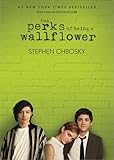
Stephen Chbosky (born 1970) is an American author, screenwriter, and director who published The Perks of Being a Wallflower in 1999 as both his debut novel and, in many ways, his definitive work. The book found its audience not through conventional marketing but through years of word-of-mouth among teenagers who pressed copies on each other with the specific urgency of someone who has found a book that explains them. Chbosky later directed the 2012 film adaptation himself, with Logan Lerman and Emma Watson.
Where to Start: The Perks of Being a Wallflower (1999)
The essential Chbosky — and one of the most enduring coming-of-age novels of the last three decades. The Perks of Being a Wallflower is written entirely as letters: Charlie, fifteen, writes to someone he has never met and will never meet, someone who will understand and who will keep the letters private. The format is not merely a structural choice — it creates a specific kind of intimacy and unreliability that shapes everything. Charlie tells his unknown friend things he cannot tell anyone in his life directly, which means the reader receives a version of events that is honest but incomplete, accurate in observation but with crucial gaps that slowly, over the course of the novel, reveal themselves.
Charlie is a wallflower: he watches the social dynamics of high school with extraordinary accuracy — the hierarchies, the cruelties, the specific ways people perform versions of themselves for the approval of people they don’t particularly like — but he exists at the margin of it rather than in the middle. The observation is not loneliness exactly; Charlie is not miserable. He is not quite present in his own life. He participates at the invitation of others — Sam and Patrick, the older students who adopt him into their friend group — more than through his own volition. The book is about what it would take to change that.
The voice Chbosky found for Charlie is the novel’s central achievement. It is specific and original: not the precociously sophisticated narration of many literary coming-of-age novels, and not the artificial naivety of YA fiction that tries too hard to sound young. Charlie is unusually perceptive and unusually innocent at the same time — he can describe social dynamics with precision while missing the emotional significance of what he’s describing for himself. This double quality, which feels psychologically accurate rather than constructed, carries the novel through its darker territory.
The darker territory is a childhood trauma that Charlie does not remember clearly and does not understand, which surfaces gradually through the novel’s second half. The reveal has been criticised as somewhat schematic by some readers; the book’s handling of delayed recognition and emotional dissociation is more accurate than most YA fiction manages, but the mechanism is visible in a way that more completely achieved literary fiction would conceal. Chbosky’s achievement is not the architecture of the plot but the specific warmth and authenticity of Charlie’s voice — and the tunnel scene, in which a particular feeling of pure presence and connection is rendered precisely enough that millions of readers have recognized it as their own experience, remains one of the most resonant moments in the genre.
Why The Perks of Being a Wallflower Is the Ideal First Book
For a reader new to Stephen Chbosky, The Perks of Being a Wallflower is the ideal first book because it is his beloved, acclaimed novel and the fullest expression of his distinctive gifts, the emotional honesty, the authentic voice, and the compassionate portrayal of adolescence. The Perks of Being a Wallflower is told through the letters of Charlie, a sensitive, observant teenager navigating high school, friendship, first love, and the weight of difficult experiences. As an entry point it is both natural and essential, for it is by far his best-known book, a touchstone of young-adult literature, and the fullest expression of his voice. It welcomes the newcomer with its intimate voice, its emotional honesty, and its deep compassion, drawing the reader into a novel that has meant a great deal to many readers. It is his defining work, so the new reader encounters Chbosky at his most characteristic. For the newcomer, then, The Perks of Being a Wallflower is the natural and ideal starting point, on subject matter handled with care.
What to Expect as a New Reader
As a new reader, you can expect The Perks of Being a Wallflower to be an intimate, emotionally honest, and deeply compassionate coming-of-age novel. You can expect an epistolary form, for the novel is told through Charlie’s letters to an unnamed friend, lending it great intimacy. You can expect an authentic voice, for Charlie’s sensitive, observant, and vulnerable narration is the heart of the book. You can expect emotional honesty, for the novel deals openly with the joys and pains of adolescence, friendship, and first love. You can expect engagement with difficult subjects, including mental health and trauma, handled with sensitivity. You can expect themes of belonging, growing up, and the power of friendship and acceptance. You can expect a moving, resonant, and beloved read. You should be prepared for some difficult material. Expect, in short, an intimate, emotionally honest, and deeply compassionate coming-of-age novel, a moving introduction to Chbosky’s gifts.
Going Deeper After Your First Book
Once The Perks of Being a Wallflower has introduced you to Chbosky’s gifts, the reader who wishes to go deeper can explore his other work, recognizing that his reputation rests chiefly on his beloved first novel. His later novel turns to a very different genre, a long and ambitious work of horror, while his career also encompasses screenwriting and directing, including his own film adaptation of The Perks of Being a Wallflower. Reading or exploring these after his first novel deepens your sense of Chbosky’s range, even as The Perks of Being a Wallflower remains his defining achievement. The reader moved by his first book may wish to explore his wider work, while the novel itself rewards rereading. Building your reading journey through Chbosky is a matter of moving from The Perks of Being a Wallflower into his later fiction and his work in film. The reader who begins here will have encountered one of the most beloved coming-of-age novels in modern young-adult literature.
Reading Stephen Chbosky
The Perks of Being a Wallflower is Chbosky’s essential and only novel. It stands alone and requires no prior reading.
For the full Stephen Chbosky bibliography, reviews, and biography, visit the Stephen Chbosky author page on Editors Reads.
Affiliate disclosure: Links to Amazon on this page are affiliate links. We earn a small commission at no extra cost to you.
Frequently Asked Questions
Where should I start with Stephen Chbosky?
The Perks of Being a Wallflower (1999) is Chbosky's essential and most celebrated book — an epistolary coming-of-age novel told through letters from fifteen-year-old Charlie to an anonymous friend as he navigates his first year of high school. One of the most recommended YA novels of the last thirty years, passed among teenagers with the urgency of someone who has found a book that explains them.
What is The Perks of Being a Wallflower about?
The Perks of Being a Wallflower follows Charlie through his first year of high school in the early 1990s: his friendship with seniors Sam and Patrick, his relationship with literature through his English teacher, his family dynamics, and the gradual surfacing of a childhood trauma he does not yet understand. The epistolary format — letters to an unnamed, unknown friend — creates an intimacy and unreliability that conventional narration cannot achieve. The wallflower position of observing without participating is the book's central problem.
Is The Perks of Being a Wallflower appropriate for younger readers?
The Perks of Being a Wallflower deals with sexual abuse (Charlie's), drug use, teenage sexuality, and suicide — it has been one of the most frequently challenged and banned books in American schools and libraries. Chbosky handles these topics with care rather than exploitation, but parents of younger readers should be aware of the content. The book is typically read by readers aged 14 and up, and has a large adult readership as well.
What should I read after The Perks of Being a Wallflower?
After The Perks of Being a Wallflower, J.D. Salinger's The Catcher in the Rye is the classic precursor — Holden Caulfield's unreliable first-person voice is the obvious ancestor of Charlie's. John Green's Looking for Alaska covers similar coming-of-age territory with more literary self-consciousness. For adult literary fiction with comparable emotional depth about childhood trauma and its effects, Hanya Yanagihara's A Little Life is the ultimate extension of the genre.