Where to Start with Maya Angelou: A Reading Guide
Where to start with Maya Angelou — whether to begin with I Know Why the Caged Bird Sings, Gather Together in My Name, or And Still I Rise. A complete guide.
By Natalie Osei
Maya Angelou (1928–2014) is one of the most important and most celebrated American writers of the twentieth century — a poet, memoirist, actress, dancer, singer, and civil rights activist whose seven-volume autobiography is one of the most sustained and most honest self-portraits in American literature. Her memoir I Know Why the Caged Bird Sings (1969) is among the most widely read and most frequently taught American books; her poem ‘Still I Rise’ is among the most quoted and most beloved American poems. She was the first Black woman to have an original poem read at a presidential inauguration (at Bill Clinton’s 1993 inauguration). She is one of the essential voices in African American literary history.
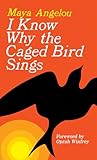
Where to Start: I Know Why the Caged Bird Sings (1969)
The essential Angelou — and one of the most important American memoirs of the twentieth century. The first volume of her seven-volume autobiography covers her childhood in Stamps, Arkansas, where she and her brother Bailey were raised by their grandmother (‘Momma’) and uncle; the years of selective muteness after she was sexually abused at age eight by her mother’s boyfriend; her recovery through books and language, helped by a neighbor who recognized her intelligence and read to her; and her adolescence in San Francisco, where she became the city’s first Black streetcar conductor at fifteen and gave birth to her son Clyde at sixteen.
Angelou’s prose is as musical as her poetry — direct, vivid, and completely honest about the conditions of Black life in the American South and the way racism, poverty, and sexual violence intersected in the life of a Black girl. One of the great American books.
Gather Together in My Name (1974)
The second volume of Angelou’s autobiography — covering her early twenties in postwar California, a period of considerable instability and risk. A sixteen-year-old single mother with limited income and education, she moves between jobs — fry cook, nightclub singer, dancer, madam — and relationships, including a devastating involvement with a man who draws her toward the drug world. The memoir is Angelou’s most honest account of poverty and its constraints and the choices it forces; it is also a portrait of a young woman with enormous gifts trying to survive in a world with very limited options for her.
Less widely read than I Know Why the Caged Bird Sings and equally essential.
And Still I Rise (1978)
Angelou’s most celebrated poetry collection — thirty-two poems that demonstrate the full range of her lyric voice: celebratory, defiant, tender, wry, and sometimes furious. The title poem — ‘You may write me down in history / With your bitter, twisted lies, / You may trod me in the very dirt / But still, like dust, I’ll rise’ — is her most famous and has become a global anthem of resistance and resilience. Other poems in the collection address love, aging, history, and Africa.
Angelou’s poetry draws on the blues, the spiritual, and the oral tradition of the American South — a vernacular lyricism that is simultaneously deeply rooted and universally accessible.
Why I Know Why the Caged Bird Sings Is the Ideal First Book
For a reader new to Maya Angelou, I Know Why the Caged Bird Sings is the ideal first book because it is her most famous and beloved work, the first of her acclaimed memoirs, and the fullest expression of her distinctive gifts, the lyrical prose, the emotional honesty, and the powerful testimony to resilience and the human spirit. I Know Why the Caged Bird Sings recounts her childhood and youth in the American South and beyond, confronting hardship, trauma, and racism, and finding strength, voice, and hope. As an entry point it is ideal, for it is her best-known work and a perfect example of her lyrical, honest, and powerful autobiographical writing. It welcomes the newcomer with its compelling story, its lyrical prose, and its emotional power, drawing the reader into her distinctive voice. It is her most celebrated work and the one that best represents her gifts, so the new reader encounters Angelou at her finest. For the newcomer, then, I Know Why the Caged Bird Sings is the natural and ideal starting point, on difficult subject matter handled with care.
What to Expect as a New Reader
As a new reader, you can expect I Know Why the Caged Bird Sings to be a lyrical, honest, and powerful memoir. You can expect a compelling story, for the book recounts Angelou’s childhood and youth in the American South and beyond. You can expect lyrical prose, for Angelou, also a poet, writes with beauty, rhythm, and power. You can expect emotional honesty, for she confronts hardship, trauma, and racism with unflinching candor. You can expect themes of resilience, identity, voice, and the strength of the human spirit. You can expect a moving testimony to finding hope and voice amid adversity. You can expect difficult material, including the experience of racism and trauma, handled with seriousness. You should be prepared for painful subject matter. Expect, in short, a lyrical, honest, and powerful memoir, a profound introduction to Angelou’s gifts.
Going Deeper After Your First Book
Once I Know Why the Caged Bird Sings has introduced you to Angelou’s gifts, the reader who wishes to go deeper can explore her other memoirs and her poetry, which continue her lyrical prose, her emotional honesty, and her powerful testimony to resilience and the human spirit. Her series of memoirs carries her remarkable life story forward through the decades, while her celebrated poetry, including her famous poems of strength and dignity, distills her power and her vision in verse. Reading these after I Know Why the Caged Bird Sings deepens your appreciation of Angelou’s distinctive gifts, the lyrical prose, the emotional honesty, and the testimony to resilience. Her characteristic strengths run through her work. Building your reading journey through Angelou is a matter of following her from I Know Why the Caged Bird Sings into her other memoirs and her poetry. The reader who begins here and continues will encounter one of the most beloved and powerful voices in American literature.
Reading Maya Angelou
Angelou’s seven-volume autobiography, taken together, constitutes one of the most extraordinary lives in American letters: raised in Jim Crow Arkansas, a mute child, a teenage mother, a nightclub singer in Europe, a civil rights activist working with Malcolm X and Martin Luther King Jr., a poet, a professor, a presidential inaugural poet. Her prose combines the directness of the blues with the density of the best lyric poetry; her honesty about her own failures and mistakes gives the work an authority that more polished self-presentation would undercut. Begin with I Know Why the Caged Bird Sings — it is the foundation of everything else and one of the great American memoirs.
Frequently Asked Questions
Where should I start with Maya Angelou?
I Know Why the Caged Bird Sings (1969) is both the most widely read and the essential starting point — the first of her seven autobiographical volumes, covering her childhood in Stamps, Arkansas and her adolescence in San Francisco, including the sexual abuse she suffered at age eight and the years of muteness that followed. It is Angelou's most celebrated work, one of the most important American memoirs of the twentieth century, and the book that established her as a major literary figure. Gather Together in My Name is the best alternative for readers who want the second volume, which covers her young adulthood and her encounters with poverty, prostitution, and survival in postwar California.
What is I Know Why the Caged Bird Sings about?
I Know Why the Caged Bird Sings (1969) covers Maya Angelou's childhood from age three — when she and her brother Bailey are sent by their parents to live with their grandmother ('Momma') in Stamps, Arkansas — through her adolescence in San Francisco, where she becomes the first Black streetcar conductor in the city, and the birth of her son Clyde when she is sixteen. The memoir recounts the racism of the American South (the humiliations and indignities of Jim Crow), the sexual abuse she suffered at age eight by her mother's boyfriend (and the years of selective muteness that followed when the man was killed), and the path back to language through the love of a neighbor who introduced her to books. One of the greatest American memoirs.
What is And Still I Rise about?
And Still I Rise (1978) is Angelou's most celebrated poetry collection — thirty-two poems organized into three sections, ranging from declarations of Black womanhood's resilience ('Still I Rise') to love poems to reflections on memory, Africa, and aging. The title poem — in which the speaker rises above the oppression, exploitation, and humiliation of history — has become one of the most quoted and most beloved American poems of the twentieth century. The collection shows Angelou's command of a vernacular lyric voice that draws on the blues, spirituals, and the oral tradition of the American South.
How many memoirs did Maya Angelou write?
Maya Angelou wrote seven volumes of autobiography, all of which together constitute one of the most sustained and most honest self-portraits in American literature. They are: I Know Why the Caged Bird Sings (1969), Gather Together in My Name (1974), Singin' and Swingin' and Gettin' Merry Like Christmas (1976), The Heart of a Woman (1981), All God's Children Need Traveling Shoes (1986), A Song Flung Up to Heaven (2002), and Mom and Me and Mom (2013). Each volume covers a different period of her extraordinary life — her years in West Africa, her friendship with Malcolm X and Martin Luther King Jr., her career as a singer, dancer, actor, and poet.