Where to Start with Fredrik Backman: A Reading Guide
Where to start with Fredrik Backman — whether to begin with A Man Called Ove, Anxious People, or Beartown. A complete reading guide to his novels.
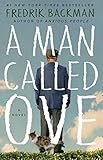
Fredrik Backman (born 1981) is the Swedish novelist whose combination of warmth, comedy, and hidden grief has made him one of the most widely read fiction writers in the world. Beginning his career as a blogger and newspaper columnist, his debut novel A Man Called Ove was rejected by many Swedish publishers before finding an audience and eventually selling millions of copies in forty languages. His particular gift is for characters who present as difficult, antisocial, or damaged and who reveal, in the course of a novel, the losses and loves that made them that way. He is one of the few writers who can be simultaneously very funny and genuinely moving.
Where to Start: A Man Called Ove (2012)
The essential Backman — and one of the most charming and most moving novels of the past decade. Ove, fifty-nine, recently widowed and forcibly retired from his job, has decided to kill himself and has organized his affairs in preparation. His plans are interrupted, repeatedly, by the chaos of his new neighbours — Parvaneh and Patrick, newly arrived from Iran with two young daughters and an inability to back a trailer — and by a series of neighbours who need his help with increasingly inconvenient problems.
The comedy of Ove’s furious incomprehension of everything that is wrong with the world (he has a list) is completely genuine; so is the grief that Backman reveals, in stages, as the source of everything Ove has become. The novel is about how community creates the conditions for survival when a person has decided survival is no longer worth the effort.
Anxious People (2019)
Backman’s most formally inventive novel — structured as a mystery (what happened at the apartment open house?) but interested less in the mystery than in the people caught up in it. A bank robber, fleeing a failed robbery, takes hostages at an open house; the hostages include a middle-aged couple, a young couple expecting their first child, a retired real estate agent, an older woman with a mysterious past, and an actor. The police investigation conducted by a father-and-son team provides the comic frame; what Backman is actually interested in is how strangers who are thrown together in crisis can see each other with extraordinary clarity.
Warmer and funnier than its premise suggests; more formally sophisticated than his earlier novels.
Beartown (2016)
Backman’s most serious and most challenging novel — a study of a small Swedish town whose dying economy has made the youth hockey team the community’s last source of identity, and what happens when the team’s star player rapes a teenage girl and the town must choose between its pride and its conscience. Backman renders the dynamics of small-town loyalty, male silence, and institutional cowardice with unusual directness; the novel is less immediately pleasurable than his other work and more honest about how communities protect their myths at the expense of the people who threaten them.
An excellent novel — but better approached after A Man Called Ove and Anxious People, when you are prepared for Backman’s range.
My Grandmother Asked Me to Tell You She’s Sorry (2013)
Backman’s most whimsical and most explicitly fairy-tale-inflected novel — narrated by Elsa, seven years old, whose grandmother has just died and left her a series of letters to deliver to people in their building, each one an apology connected to the fairy-tale world that grandmother and granddaughter shared. The novel moves between Elsa’s discoveries about the real people behind her grandmother’s stories and the fairy-tale kingdom of Miamas, where the grandmother was queen. Backman’s most child-centred novel and his most overtly magical; best read as the most inventive demonstration of his characteristic warmth rather than as an introduction to it.
Why A Man Called Ove Is the Ideal First Book
For a reader new to Fredrik Backman, A Man Called Ove is the ideal first book because it is his beloved breakout novel and the fullest expression of his distinctive gifts, the warmth, the humor, and the deeply humane portrayal of ordinary, flawed people. A Man Called Ove follows a grumpy, isolated old man whose rigid, lonely life is gradually transformed by his new neighbors, in a warm, funny, and deeply moving novel. As an entry point it is ideal, for it is his most famous work and a perfect example of his warm, humorous, emotionally rich fiction. It welcomes the newcomer with its endearing curmudgeon, its warmth and humor, and its emotional depth, drawing the reader into his distinctive vision. It is his most famous work and the one that best represents his gifts, so the new reader encounters Backman at his most characteristic. For the newcomer, then, A Man Called Ove is the natural and ideal starting point.
What to Expect as a New Reader
As a new reader, you can expect A Man Called Ove to be a warm, funny, and deeply moving novel. You can expect an endearing curmudgeon, for the novel follows a grumpy, rigid, isolated old man whose gruff exterior hides depths of feeling. You can expect warmth and humor, for the novel is genuinely funny and full of heart. You can expect a transformation, for Ove’s lonely life is gradually opened up by his persistent new neighbors. You can expect emotional depth, for beneath the comedy lies grief, love, and tenderness, and the novel is genuinely moving. You can expect a deeply humane portrayal of ordinary, flawed people. You can expect themes of community, connection, grief, and second chances. Expect, in short, a warm, funny, and deeply moving novel, a heartwarming introduction to Backman’s gifts.
Going Deeper After Your First Book
Once A Man Called Ove has introduced you to Backman’s gifts, the reader who wishes to go deeper can explore his other novels, which continue his warmth, his humor, and his deeply humane portrayal of ordinary, flawed people and their communities. His beloved novels follow eccentric, lovable characters through stories of family, friendship, grief, and connection, including his acclaimed novels of a small town and its people and his moving stories of parents, children, and community, each marked by his warmth, humor, and emotional depth. Reading these after A Man Called Ove deepens your appreciation of Backman’s distinctive gifts, the warmth, the humor, and the deeply humane portrayal of ordinary people. His characteristic strengths run through his work, and the reader moved by A Man Called Ove will find them across his novels. Building your reading journey through Backman is a matter of following his fiction from A Man Called Ove into his other novels. The reader who begins here and continues will find one of the most warm, funny, and humane storytellers in contemporary fiction to follow.
Reading Fredrik Backman
Backman’s fiction is built on a consistent insight: that the most difficult, prickly, or antisocial people are often the ones carrying the most grief — and that the most important thing community can do is refuse to let them be alone with it. His comedy is never merely comic; his warmth is never sentimental; and his characters, however initially unpromising, earn the reader’s genuine affection. Begin with A Man Called Ove for the most perfectly constructed statement of his vision; read Anxious People for his most formally inventive work; approach Beartown when you want the full seriousness of which he is capable.
Frequently Asked Questions
Where should I start with Fredrik Backman?
A Man Called Ove (2012) is both the most widely beloved and the best starting point — the short, funny, deeply moving novel about a curmudgeonly Swedish widower who plans to kill himself and is repeatedly interrupted by the noisy, chaotic life of his new neighbours. It is Backman's most perfectly constructed novel and his warmest comedy, and it demonstrates his particular gifts — for comic voice, for the gradual revelation of hidden grief, and for the way ordinary community creates extraordinary emotional bonds — more clearly than any other book. Anxious People is the best alternative for readers who want Backman's most formally inventive novel.
What is A Man Called Ove about?
A Man Called Ove (2012) follows Ove, a rigid, rule-obsessed, deeply antisocial Swedish man in his late fifties whose wife has recently died and who has just been forcibly retired. He resolves to end his life and is prevented from doing so, repeatedly, by the arrival of a young Iranian-Swedish family next door — Parvaneh, her husband Patrick, and their two daughters — and by a series of neighbours who inconveniently need his help. As Backman reveals Ove's backstory in stages — the tragedies that made him who he is — the comedy deepens into something genuinely moving. The novel has been adapted into both a Swedish and an American film.
What is Anxious People about?
Anxious People (2019) begins with a failed bank robbery and an apartment open house, when the robber takes the prospective buyers hostage. The novel unfolds the story of what happened — and why — through multiple perspectives: a father and son police team, the hostages themselves (an odd collection of strangers with intertwining lives), and the robber. Backman's most formally complex novel, it moves between timelines and perspectives with considerable skill, and its central concern — how people care for each other in crisis, how strangers can see each other more clearly than those who know them — is his most explicitly explored here.
Is Beartown very different from Backman's other novels?
Beartown (2016) is Backman's darkest and most serious novel — a significant departure from the warmth and comedy of A Man Called Ove. Set in a dying small town whose only source of pride is its youth hockey team, it follows the community's response when a teenage girl is raped by the team's star player — and the ways that loyalty, fear, and economic desperation conspire to silence her. Backman writes about small-town social dynamics, toxic masculinity, and the courage required to tell the truth with unusual directness. It is an excellent novel but best approached after A Man Called Ove, when you understand what Backman is capable of across his full range.


