Authors Like Haruki Murakami: 6 Writers to Read Next
Authors like Haruki Murakami for fans of Kafka on the Shore and Norwegian Wood — Kazuo Ishiguro, David Mitchell, Italo Calvino, Borges, and more, with where to start.

Haruki Murakami is one of the most distinctive voices in world literature: a writer whose lonely, jazz-loving, pasta-cooking characters slip quietly from the everyday into the uncanny — talking cats, parallel Tokyos, wells that lead somewhere else. From Norwegian Wood to Kafka on the Shore to 1Q84, his novels blend melancholy, pop culture, and dreamlike surrealism into something instantly recognisable. If you have read your way through Murakami and crave that same hypnotic strangeness, these six authors are where to go next.
Below are the writers who each capture a key part of the Murakami experience, with a starting point for each.
What Defines the Haruki Murakami Style
Murakami’s spell comes from a few qualities. There is the surreal slippage — the way the mundane gives onto the uncanny without warning or explanation. There is the melancholy loneliness of his quietly drifting characters. There is the dreamlike atmosphere, more felt than understood. And there is the intellectual playfulness, the sense of a puzzle that may have no solution. Most read-alikes lean into one or two of these, so the best pick depends on which one draws you in.
It also helps to know whether you read Murakami more for the emotion or the idea. Some readers love the aching, lonely heart of Norwegian Wood; others love the labyrinthine puzzle-boxes. The authors below split the same way — Ishiguro and Gaiman on the emotional side, Borges and Calvino on the intellectual, with Kafka and Mitchell bridging both.
Kazuo Ishiguro — The Quiet Melancholy
For Murakami’s dreamlike melancholy and quiet unease, Kazuo Ishiguro is the closest match. Never Let Me Go — a hauntingly restrained story whose full strangeness reveals itself slowly — shares Murakami’s gift for an atmosphere of gentle dread and unbearable sadness. For readers who love the emotional undertow beneath the surrealism, Ishiguro is essential.
David Mitchell — The Genre-Blender
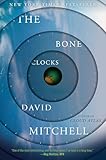
David Mitchell shares Murakami’s ambition, his interconnected universe, and his willingness to bend reality. The Bone Clocks moves across decades and genres, weaving the ordinary and the supernatural into a single sweeping story. For Murakami fans who love the scale and structural daring of 1Q84, Mitchell is a natural fit.
Italo Calvino — The Playful Surrealist
Italo Calvino matches Murakami’s intellectual playfulness and love of narrative games. If on a Winter’s Night a Traveler is a dazzling metafiction that draws the reader into its own structure. For readers who love the puzzle-box side of Murakami, Calvino is pure delight.
Jorge Luis Borges — The Labyrinth Master
Jorge Luis Borges is a foundational influence on the whole tradition Murakami works in. Ficciones collects his mind-bending stories of infinite libraries, forking paths, and impossible objects. Short, profound, and endlessly rereadable, Borges is essential for anyone drawn to Murakami’s metaphysical strangeness.
Franz Kafka — The Surreal Forebear
Murakami named a novel after him for a reason. Franz Kafka is the great ancestor of literary surrealism, and The Metamorphosis — a man who wakes transformed into an insect, treated with deadpan realism — is the template for the matter-of-fact uncanny that Murakami inherited. The source of it all.
Neil Gaiman — The Modern Dreamer
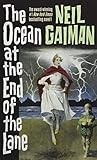
Neil Gaiman writes the kind of dreamlike modern fable that sits comfortably beside Murakami. The Ocean at the End of the Lane is a short, aching story where childhood memory and myth blur together. For Murakami fans who want the melancholy and wonder in a more accessible package, Gaiman is the pick.
Reading Around Murakami
It is worth being honest: no one writes quite like Murakami, because few authors combine his particular ingredients — Western pop culture and Japanese sensibility, hard-boiled detective rhythms and fairy-tale logic, profound loneliness and deadpan comedy. The authors here each share a slice of that recipe rather than the whole. That is part of the pleasure of reading around him: Ishiguro shows you the melancholy without the talking cats, Borges the labyrinth without the jazz, Kafka the nightmare logic at its purest source. Approached that way, each becomes a different lens on what makes Murakami himself.
There is also a practical reward. If Murakami was your gateway into translated and international literature, several of these writers extend that journey — Calvino (Italian), Borges (Argentine), and Kafka (Czech-German) are pillars of world literature in translation, while Ishiguro and Mitchell offer a kindred sensibility originally in English. Following Murakami outward into translated fiction is one of the most broadening paths a reader can take, and these six are ideal companions for the trip.
How to Pick Your Next Read
If you read Murakami for the quiet melancholy, start with Kazuo Ishiguro. For ambitious genre-blending, read David Mitchell. For playful metafiction, go to Italo Calvino. For metaphysical puzzles, read Jorge Luis Borges. For the surreal foundation, read Franz Kafka. And for a modern dreamlike fable, read Neil Gaiman.
The common thread is Murakami’s central conviction: that the strangest, most dreamlike stories can tell the deepest truths about loneliness and longing. For more, our best contemporary literary fiction and best fiction books of all time roundups gather many more, and our Norwegian Wood vs Kafka on the Shore comparison helps you choose your entry point. Start with whichever Murakami quality you would miss most, and a whole strange, beautiful corner of literature opens up. None of these writers will give you another Wind-Up Bird Chronicle — nobody can — but together they map the territory around it, and that map is one of the most rewarding any reader can follow.
Frequently Asked Questions
Who writes books like Haruki Murakami?
The closest authors to Haruki Murakami are writers who blend the everyday with the surreal. Kazuo Ishiguro shares his quiet melancholy and dreamlike unease, David Mitchell his genre-blending and interconnected worlds, and Italo Calvino and Jorge Luis Borges his playful, philosophical strangeness. Franz Kafka is his great forebear in literary surrealism, and Neil Gaiman the nearest in modern dreamlike fable.
What should I read after Kafka on the Shore?
After Kafka on the Shore, try Kazuo Ishiguro's The Unconsoled or Never Let Me Go for the same dreamlike melancholy, and David Mitchell's The Bone Clocks for ambitious, reality-bending storytelling. Franz Kafka's The Metamorphosis, the source of the surreal tradition Murakami works in, is essential reading.
Is Haruki Murakami magical realism or surrealism?
Murakami sits between the two — his ordinary, lonely characters slip into dreamlike, uncanny events without the magic ever being fully explained. The authors above split along that line: Calvino and Borges lean into playful, intellectual surrealism, while Ishiguro and Gaiman keep one foot in emotional realism, much as Murakami does.