Junot Díaz is a Dominican-American author whose Pulitzer Prize-winning The Brief Wondrous Life of Oscar Wao and his story collections created one of the most distinctive and influential voices in contemporary American fiction.
Junot Díaz arrived in American fiction with Drown (1996), a collection of linked stories about Dominican-American life in New Jersey that established his voice immediately: code-switching between Spanish and English, vernacular and literary, the specific gravity of immigrant experience refracted through male adolescent consciousness. The stories were about people with limited options making bad choices under genuine social pressure, written with an emotional generosity that prevents the sociological precision from becoming condescension.
The Brief Wondrous Life of Oscar Wao (2007) extended this world to extraordinary effect. The novel follows Oscar de León — an overweight, nerdy Dominican-American science fiction fan who wants only to find love — through multiple generations of his family’s history under the Trujillo dictatorship, which Díaz frames in explicitly supernatural terms, as a fukú (curse) pursuing the family across generations and continents. The footnotes about Trujillo’s atrocities function simultaneously as historical documentation and narrative horror. It won the Pulitzer Prize for Fiction in 2008.
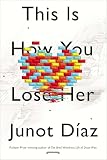
This Is How You Lose Her (2012), a collection of linked stories about a protagonist named Yunior, is more formally contained but equally precise about the emotional damage that male sexual infidelity inflicts on its perpetrators as well as its victims. Díaz teaches at MIT and has been a significant public voice on questions of diversity in publishing. His work remains one of the clearest demonstrations that formally ambitious literary fiction and specific cultural communities are not opposing categories.
Reading Guides