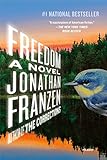
American novelist whose The Corrections and Freedom established him as a major voice in contemporary literary fiction and a polarizing public intellectual about books and culture.
Jonathan Franzen published The Corrections in 2001 to near-unanimous critical acclaim and a National Book Award, establishing himself as one of the most significant novelists working in the tradition of the great American family novel. The book follows the Lambert family — patriarch Alfred declining into dementia, matriarch Enid desperate for one last family Christmas, and three adult children navigating lives that are variously self-deceived and unfulfilling — with a combination of satirical intelligence and genuine emotional depth. The prose is sophisticated, the observation is sharp, and the ambition is matched by execution.
Freedom, published in 2010, continued in the same mode with the Berglund family at its center, expanding to include environmental politics, the Iraq war, and the nature of American liberty. It received wide praise and some notable backlash — particularly from critics who found Franzen’s cultural positioning as the guardian of “serious fiction” irritating, and from feminist critics who argued his female characters were less fully realized than his men.
Franzen is one of American fiction’s most contentious figures, not so much for his novels as for his public statements about book culture, technology, and what literature is for. Whether his cultural arguments are right or wrong, they shouldn’t determine how readers engage with The Corrections, which is a genuinely accomplished novel about family, illness, and the way people construct narratives about their own lives. It demands and rewards serious engagement.
Reading Guides