Intel CEO Andrew Grove introduces the concept of strategic inflection points — moments when the fundamentals of a business are changed by forces beyond its control — and explains how leaders can recognize and navigate them.
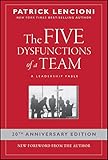
Through a business fable, Lencioni identifies the five core dysfunctions that prevent teams from achieving their potential and offers a practical framework for addressing them.
Drawing on two decades of social science research and interviews with senior leaders, Brené Brown makes the case that courage — expressed through vulnerability, values clarity, trust, and learning to rise from failure — is the foundational skill of effective leadership.
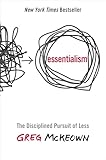
Greg McKeown makes the case for a radical new discipline: the pursuit of less, but better. Essentialism is the art of discerning what is essential and eliminating everything else — so you can make your highest possible contribution.
Doris Kearns Goodwin examines four American presidents — Lincoln, Theodore Roosevelt, FDR, and LBJ — asking how they developed the qualities of leadership and how they deployed those qualities in moments of crisis.
Eric Ries argues that startups can shorten their product development cycles and discover what customers actually want through validated learning, scientific experimentation, and iterative product releases. The Lean Startup changed how the world builds companies.
A practical, research-backed hiring system built on scorecard design, structured sourcing, and the four-part 'Who Interview,' designed to help leaders make better hiring decisions and dramatically reduce costly mis-hires.